

Stud Bolts
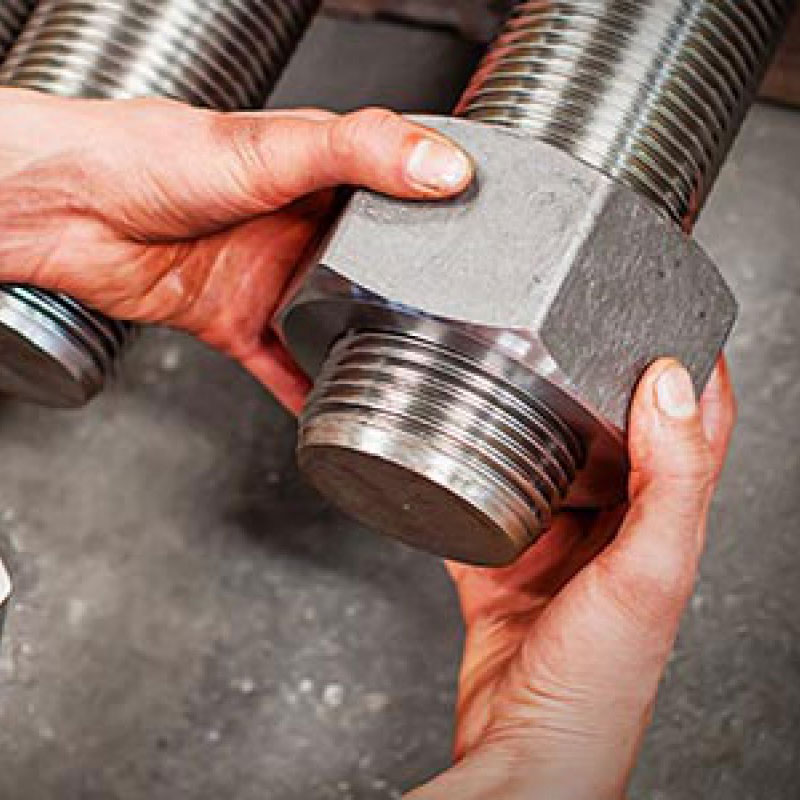
Industrial stud bolts are threaded components used for connecting flanges, valves, heat exchangers, piping and equipment subject to high mechanical stress.
In the Oil & Gas, offshore, energy and process plant engineering sectors, they are one of the most widely used fastening solutions thanks to their ability to ensure controlled preload, connection reliability and ease of maintenance. Although they share some geometric characteristics with other threaded components, stud bolts are generally identified by the market as components intended for flanged assemblies and critical industrial plants.
In addition to standard configurations, they are frequently manufactured to drawing with oversized diameters, special lengths, fine threads and high-performance materials to meet the requirements of sectors characterized by high pressures, corrosive environments and severe operating conditions.
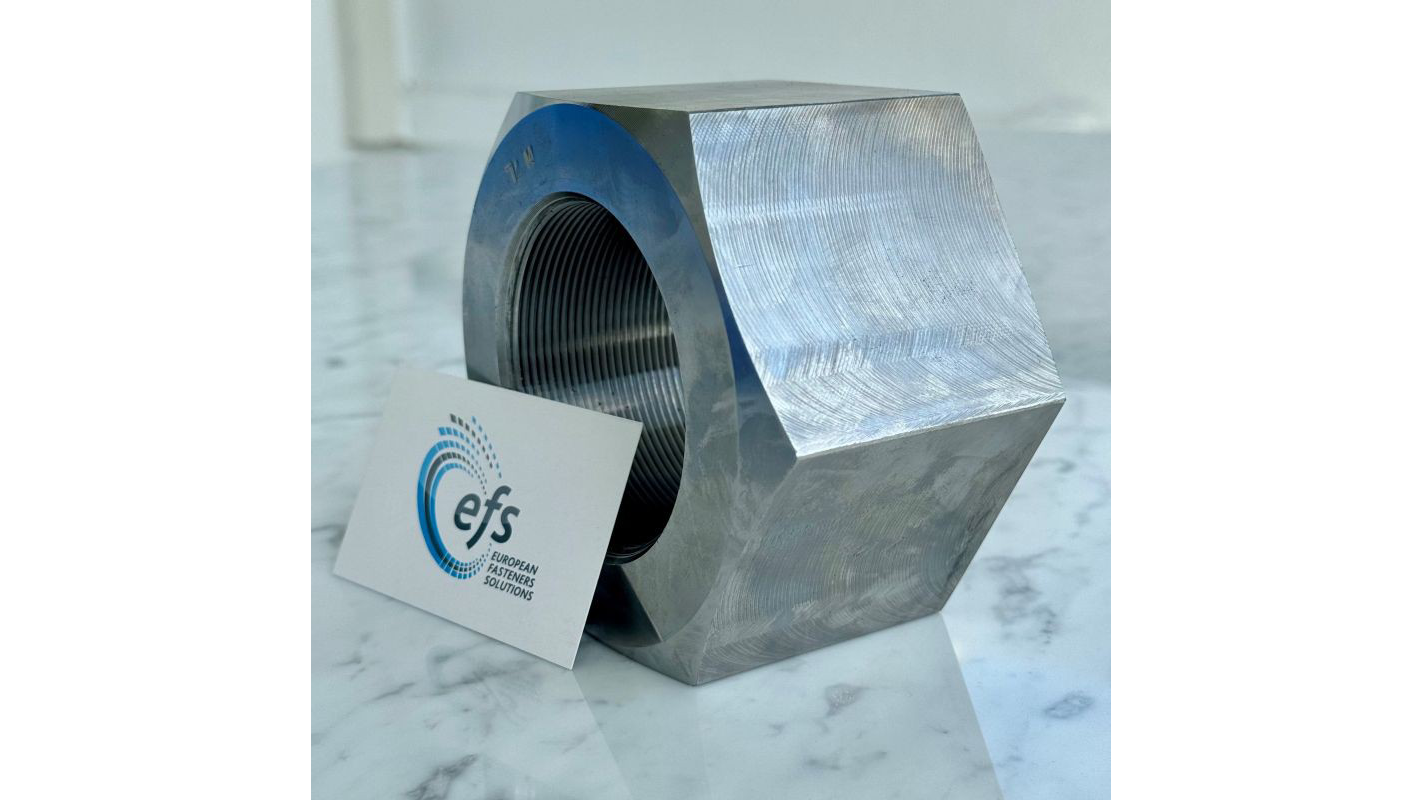
EFS manages supplies of industrial stud bolts in alloy steels, stainless steels, Duplex, Super Duplex and special alloys, coordinating the entire production process through a network of qualified Italian and European manufacturers. The supplies managed also include large-size Duplex stud bolts intended for offshore applications and highly corrosive environments.
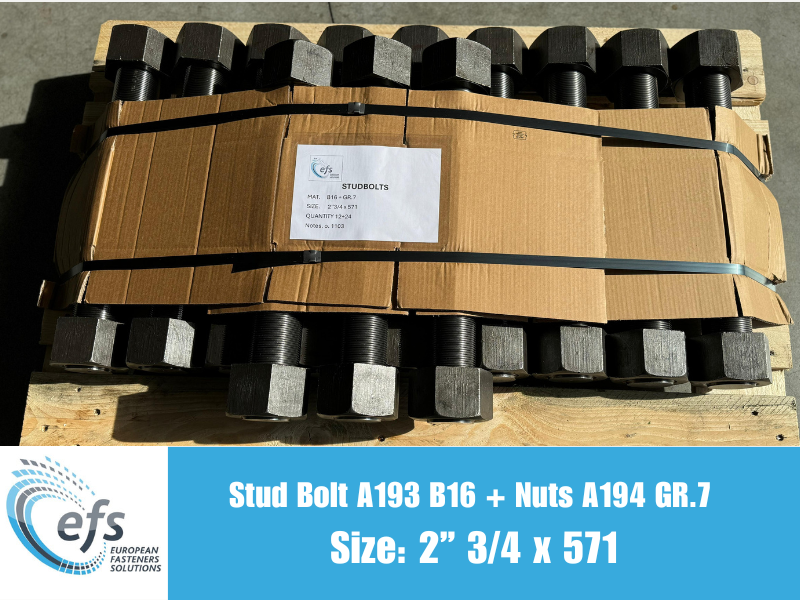
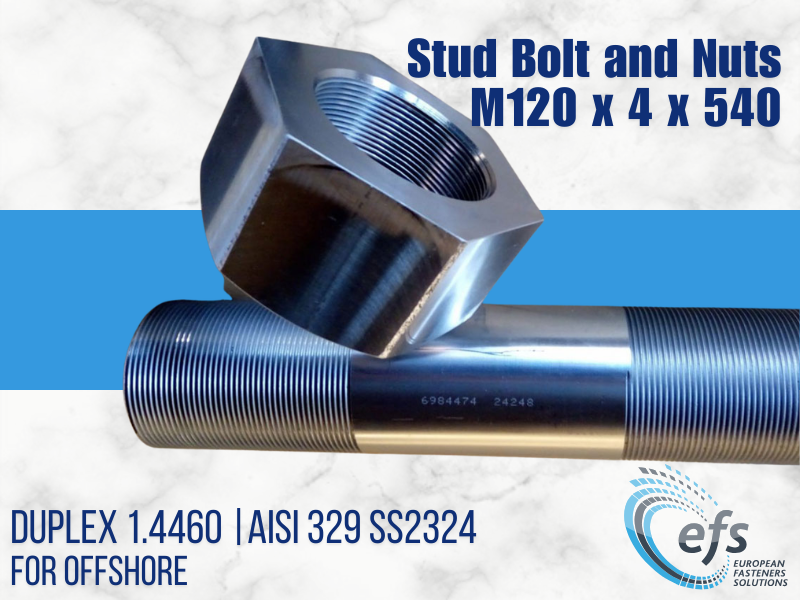
Characteristics of Industrial Stud Bolts
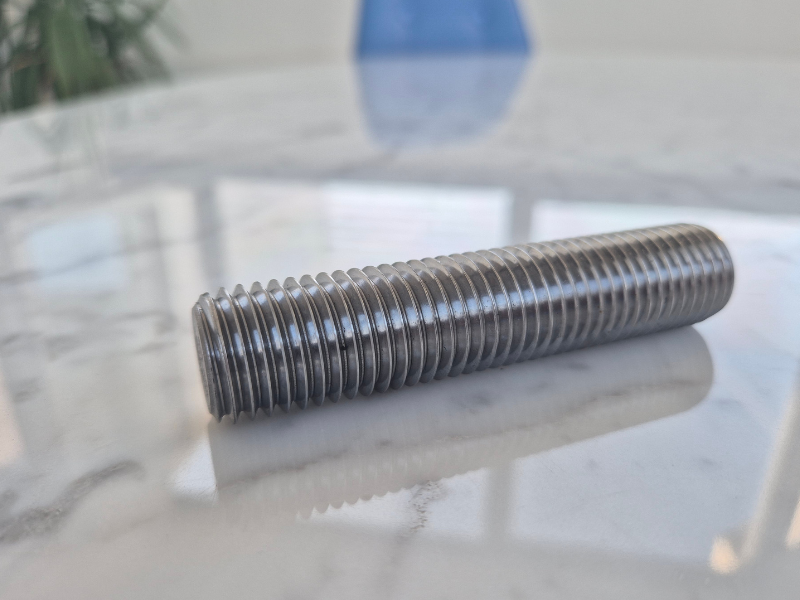
Industrial stud bolts are designed to ensure reliable connections between components subject to high pressures, vibration, thermal variations and aggressive environments. The most common configuration is the fully threaded version, particularly used in flanged assemblies according to international standards in the Oil & Gas and plant engineering sectors.
Thread quality, component straightness, dimensional control and raw material traceability play a decisive role, especially in critical applications. For this reason, stud bolts are often supplied with inspection certificates, permanent markings and complete technical documentation.
In addition to standard dimensions, special production with oversize diameters, non-catalogue lengths, metric and imperial threads and dedicated machining operations defined directly by the customer’s drawing is in high demand.
Industrial Applications of Stud Bolts
petrochemical applications
In the Oil & Gas sector, industrial stud bolts are mainly used for connecting flanges, valves, heat exchangers, pressure vessels and piping systems subject to high pressures. In these applications, correct preload management, corrosion resistance and material traceability are fundamental requirements for ensuring operational safety and continuity of service.
Offshore
Offshore plants operate in particularly aggressive environments, characterized by the constant presence of humidity, chlorides and marine atmosphere. In these contexts, stud bolts are frequently manufactured in Duplex and Super Duplex, materials that combine high mechanical performance with excellent corrosion resistance. EFS has managed supplies of large-size Duplex stud bolts intended for offshore applications, with certification and full material traceability.
Energy and Plant Engineering
In the energy sector and process plant engineering, stud bolts are used for the assembly of equipment, pumping systems, fluid transport lines and plants subject to continuous operating cycles. In these applications, long-term tightening stability, material quality and the availability of certified technical documentation are particularly important.
Machinery and Heavy Steel Construction
Stud bolts are also used in industrial machinery, metal construction and structures subject to high loads. Large diameters, special lengths and dedicated machining operations make it possible to produce components suitable for demanding operating conditions, where dimensional accuracy and connection reliability are decisive.
ISO, DIN, UNI and ASME Standards
Industrial stud bolts are manufactured according to different dimensional standards depending on the target market, customer specifications and final application.
Metric system
- UNI 6610
- DIN 976-1
- ISO 261
- ISO 965
UNI 6610 is one of the main reference standards for metric threaded stud bolts used in industrial assemblies and process plants.
Imperial System
- ASME B18.31.2
- ASME B1.1
These standards are widely used in international Oil & Gas markets and in supplies manufactured according to ASTM specifications.
Flanges and Piping
For assemblies intended for valves, piping, pressure vessels and flanged connections, one of the main international references is ASME B16.5, which defines the dimensional characteristics of flanges and directly influences the selection of stud bolts used in the connections.
Certifications and Documentation Requirements
- ISO 898-1
- EN 10204 3.1
- EN 10204 3.2
For critical applications, non-destructive testing, permanent markings and full raw material traceability may also be required.
Main Types of Industrial Stud Bolts
Fully Threaded Stud Bolts
These represent the most common configuration in the Oil & Gas sector and in industrial plant engineering. The continuous thread allows correct nut positioning and facilitates assembly and maintenance operations on flanged connections.
ASTM Stud Bolts for Industrial Plant Engineering
These are manufactured according to the main specifications required in the energy, petrochemical and offshore sectors and are used when the project requires certified materials, complete documentation and clearly defined mechanical properties.
Duplex and Super Duplex Stud Bolts
This type is used in corrosive environments and marine applications where resistance to aggressive agents is a primary design requirement.
Special Made-to-Drawing Stud Bolts
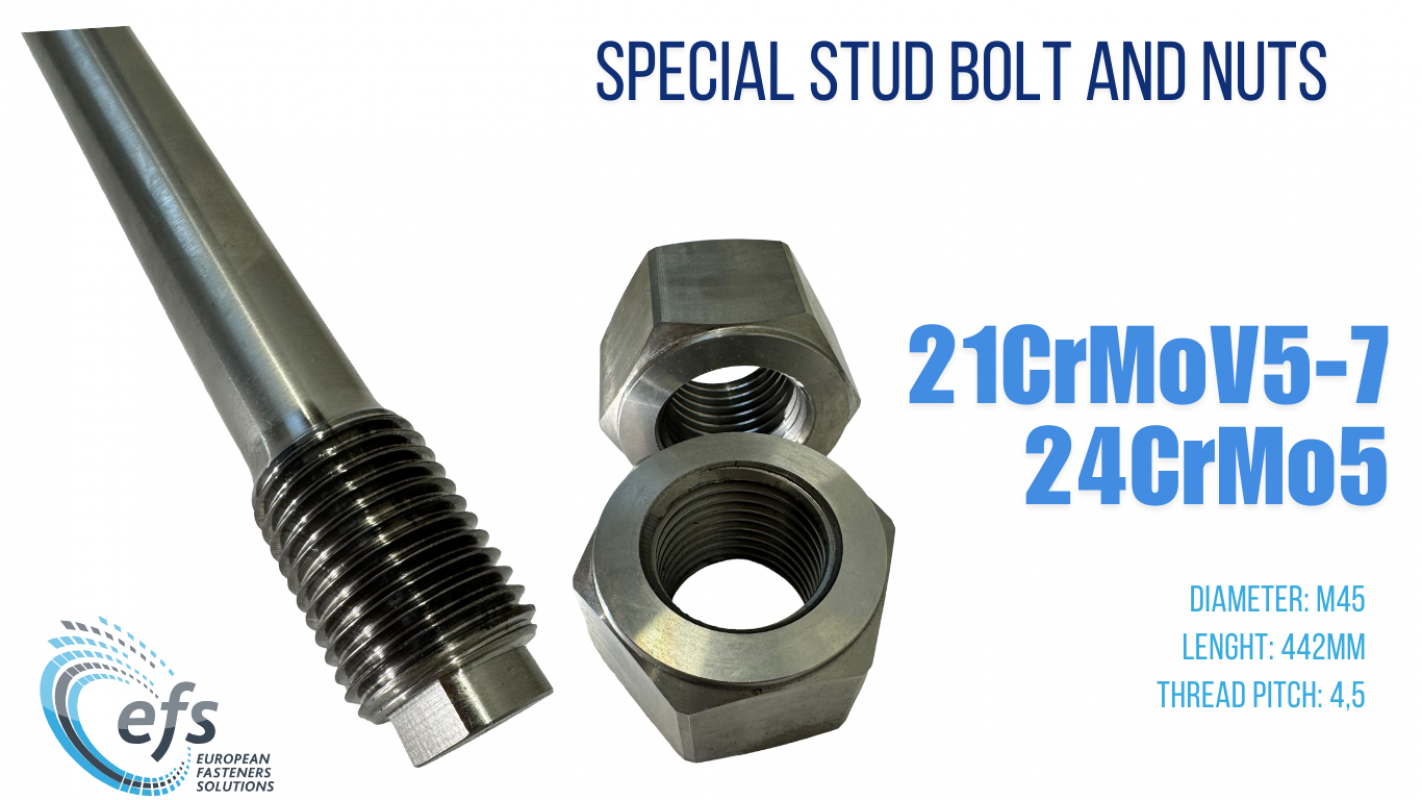
When standard dimensions are not sufficient, stud bolts are manufactured according to customized technical specifications, with dedicated diameters, lengths, thread pitches and markings. EFS also manages oversize supplies for particularly demanding industrial and offshore applications.
Available Materials
Material selection depends on the operating conditions of the plant, the operating temperature, the presence of corrosive agents and the mechanical requirements specified by the project.
EFS manages supplies in:
- ASTM A193 B7
- ASTM A193 B16
- ASTM A320 L7
- ASTM A320 L7M
- 42CrMo4
- 39NiCrMo3
- 34CrNiMo6
- 30CrNiMo8
- AISI 304
- AISI 316
- Duplex
- Super Duplex
- Inconel
- Hastelloy
- Incoloy 825
- Monel
On request, EN 10204 3.1 or 3.2 certifications and complete traceability documentation can be provided. EFS production capabilities also include special materials intended for offshore plants, Oil & Gas, energy and high-corrosion applications.
Surface Treatments
Since stud bolts are frequently used in outdoor, offshore or corrosive environments, the choice of surface treatment plays a fundamental role in the durability of the connection.
The most commonly requested treatments include:
- hot-dip galvanizing
- electrolytic zinc plating
- zinc-nickel coating
- Geomet®
- Xylan®
- PTFE
- electroless nickel plating
- passivation for stainless steels
Treatment selection depends on environmental conditions, compatibility with the base material and the corrosion resistance requirements specified by the project.
EFS Capabilities
EFS supports supplies of standard and special industrial stud bolts through a network of qualified Italian and European manufacturers.
The activity includes the management of made-to-drawing production, oversize diameters, special lengths, metric and imperial threads, dedicated markings and advanced dimensional inspections. On request, non-destructive testing, mechanical testing and supplies accompanied by EN 10204 3.1 and 3.2 certifications can be provided.
For offshore and Oil & Gas applications, EFS can also coordinate supplies for projects requiring compliance with NACE MR0175 / ISO 15156 requirements and customer-specified NORSOK specifications, through a qualified and fully traceable supply chain.
FAQ
What Is the Difference Between a Stud Bolt and a Threaded Rod?
A threaded rod is generally a standard product supplied in commercial lengths. A stud bolt, on the other hand, is a component intended for a specific industrial application, often accompanied by certifications, inspections and technical documentation.
Which Materials Are Used for Oil & Gas Stud Bolts?
The most commonly used materials are ASTM A193 B7, ASTM A193 B16, ASTM A320 L7, Duplex and Super Duplex, selected according to the operating conditions and working environment.
Is It Possible to Manufacture Made-to-Drawing Stud Bolts?
Yes. Many applications require non-standard diameters, lengths, threads and markings. In these cases, stud bolts are manufactured according to the customer’s drawing, with dedicated technical documentation and certifications.