

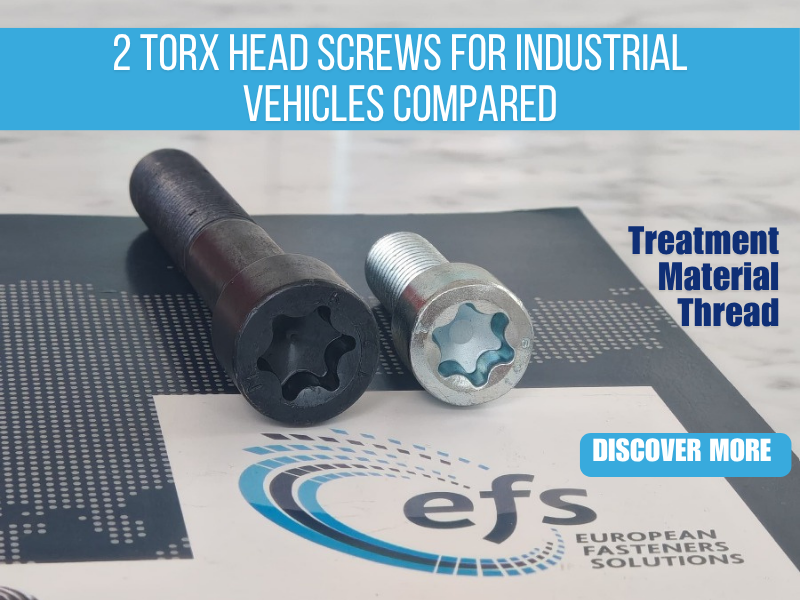
Industrial Torx drive screws are fastening components characterized by a six-lobe drive designed to ensure more efficient tightening torque transmission compared to traditional cross recess or hexagon socket drives. Thanks to this geometry, the tool engages more securely with the screw, reducing the risk of slipping during assembly and allowing high torques to be applied with greater precision.
This feature has led to the widespread use of Torx drive screws in many industrial sectors, particularly in applications subject to vibration, dynamic loads and frequent assembly operations. Automotive, machinery, earthmoving equipment and power transmission systems are some of the areas where this type of fastener is most frequently used.
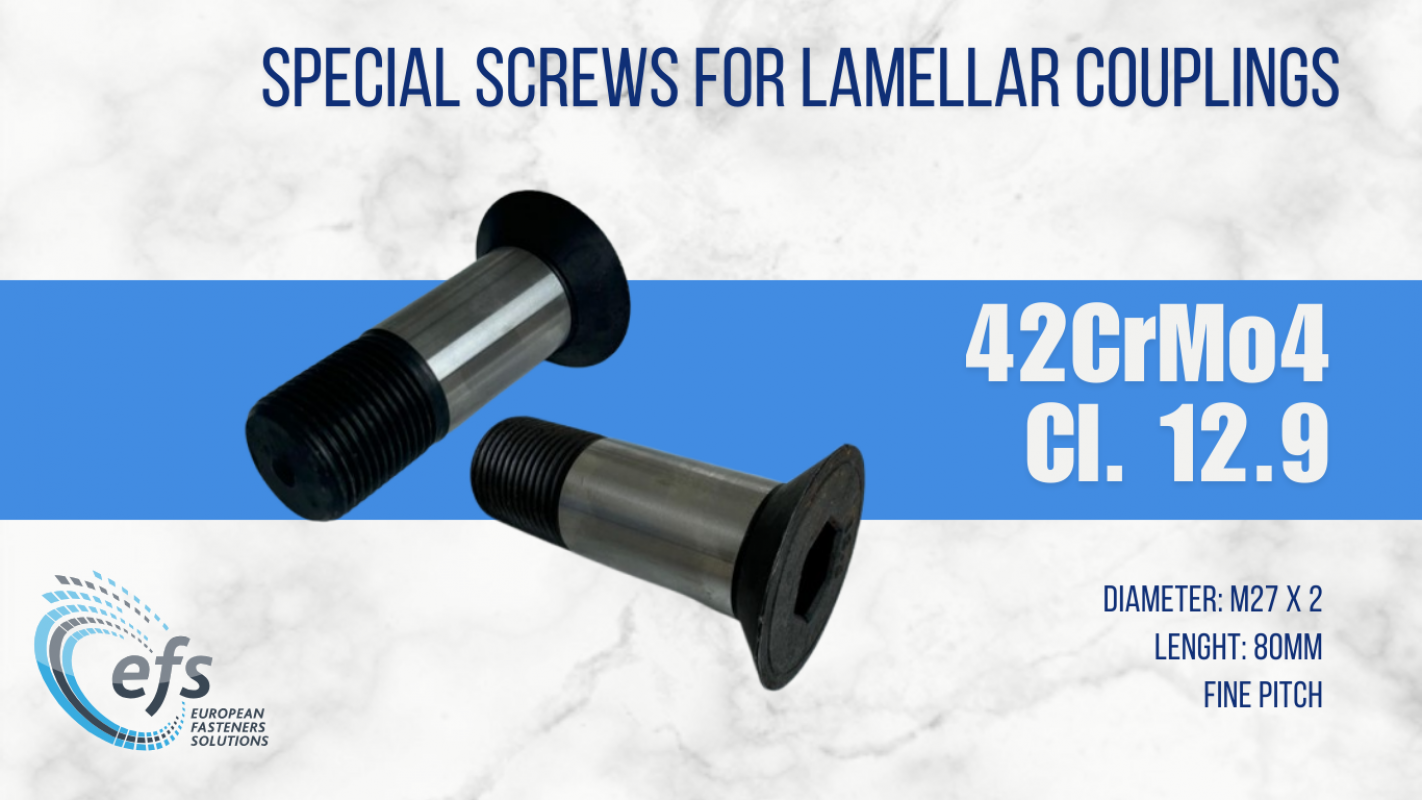
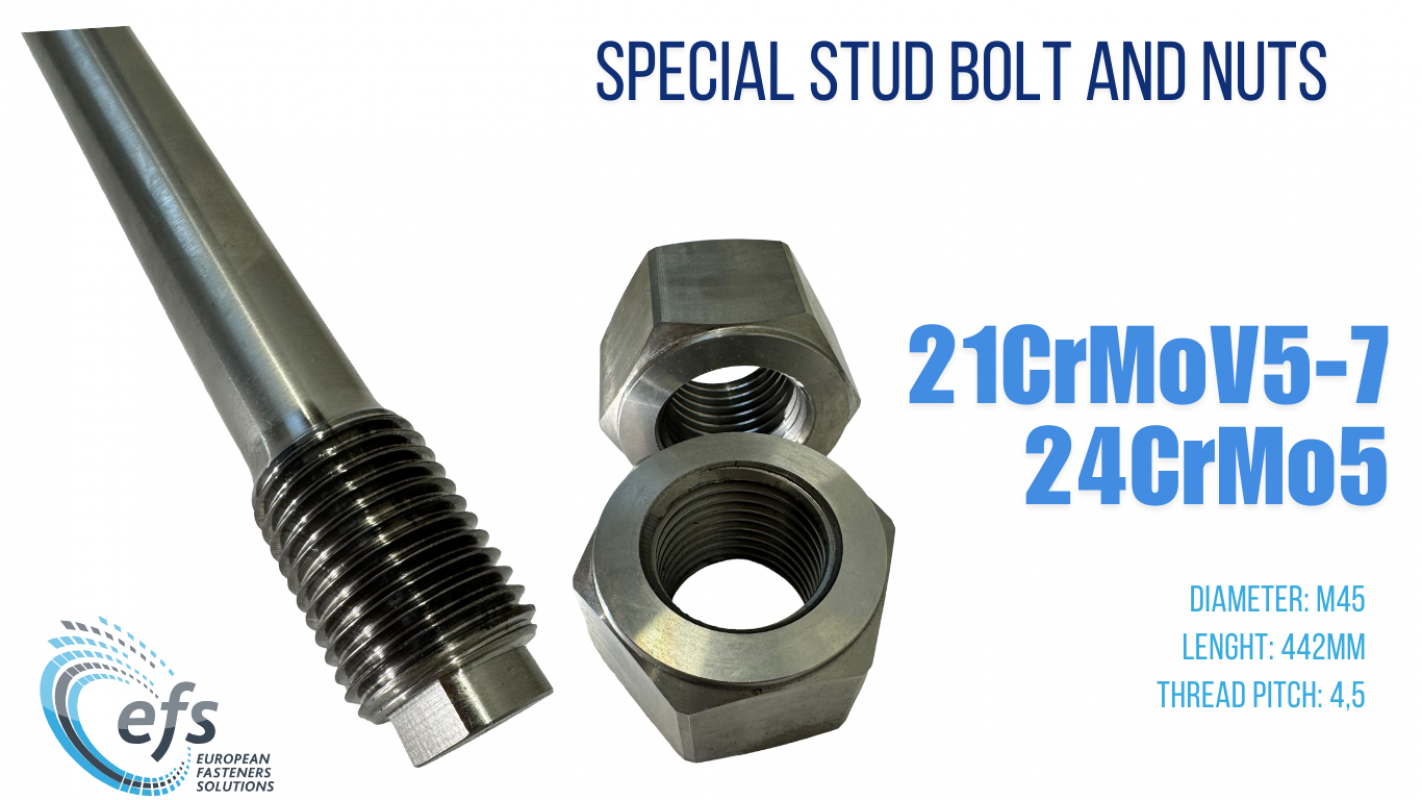
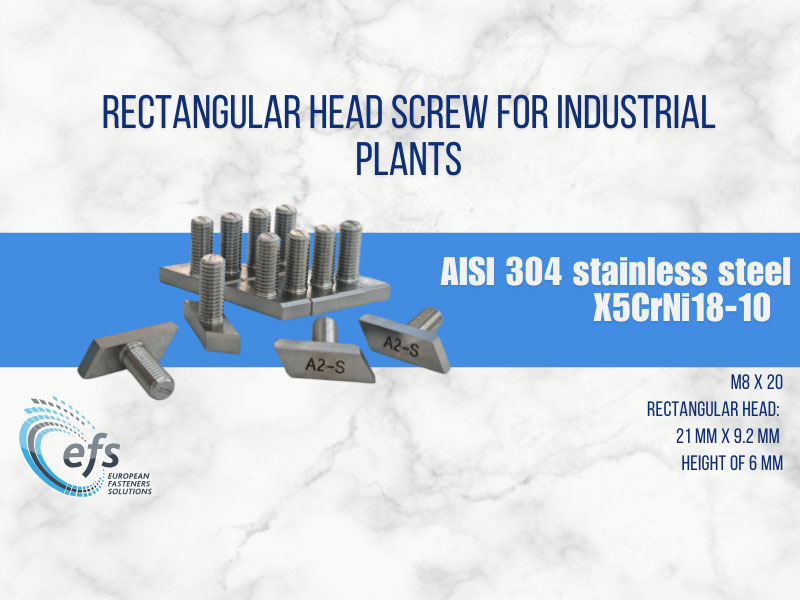
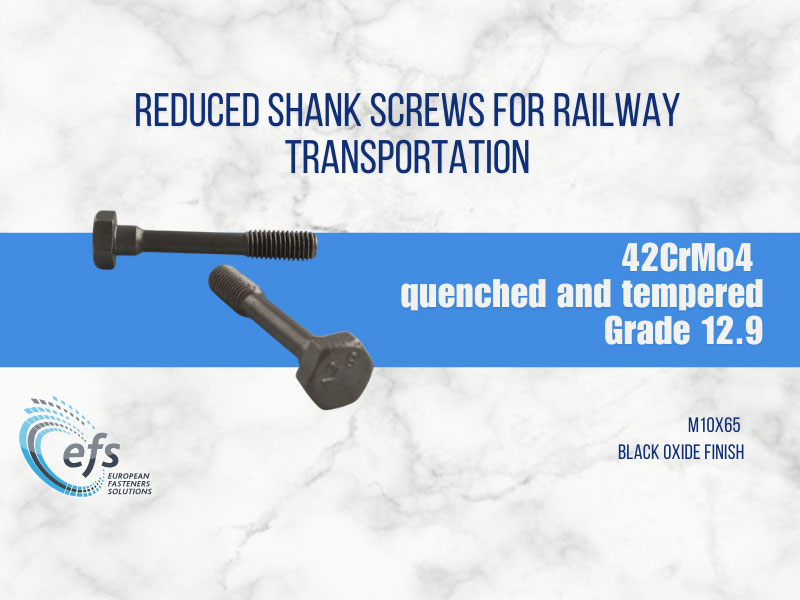
In addition to standard versions, Torx drive screws can be manufactured with special geometries, high-performance materials and dedicated surface treatments, adapting to specific design and operating requirements.
Characteristics of Torx Drive Screws
The Torx drive was developed to improve torque transfer between the tool and the screw. The larger contact surface compared to other drive types helps reduce localized stress and limit wear on both the bit and the screw itself.
From an application perspective, this results in greater tightening reliability and better repeatability during assembly operations, aspects that are particularly important in automated industrial processes and in applications subject to vibration.
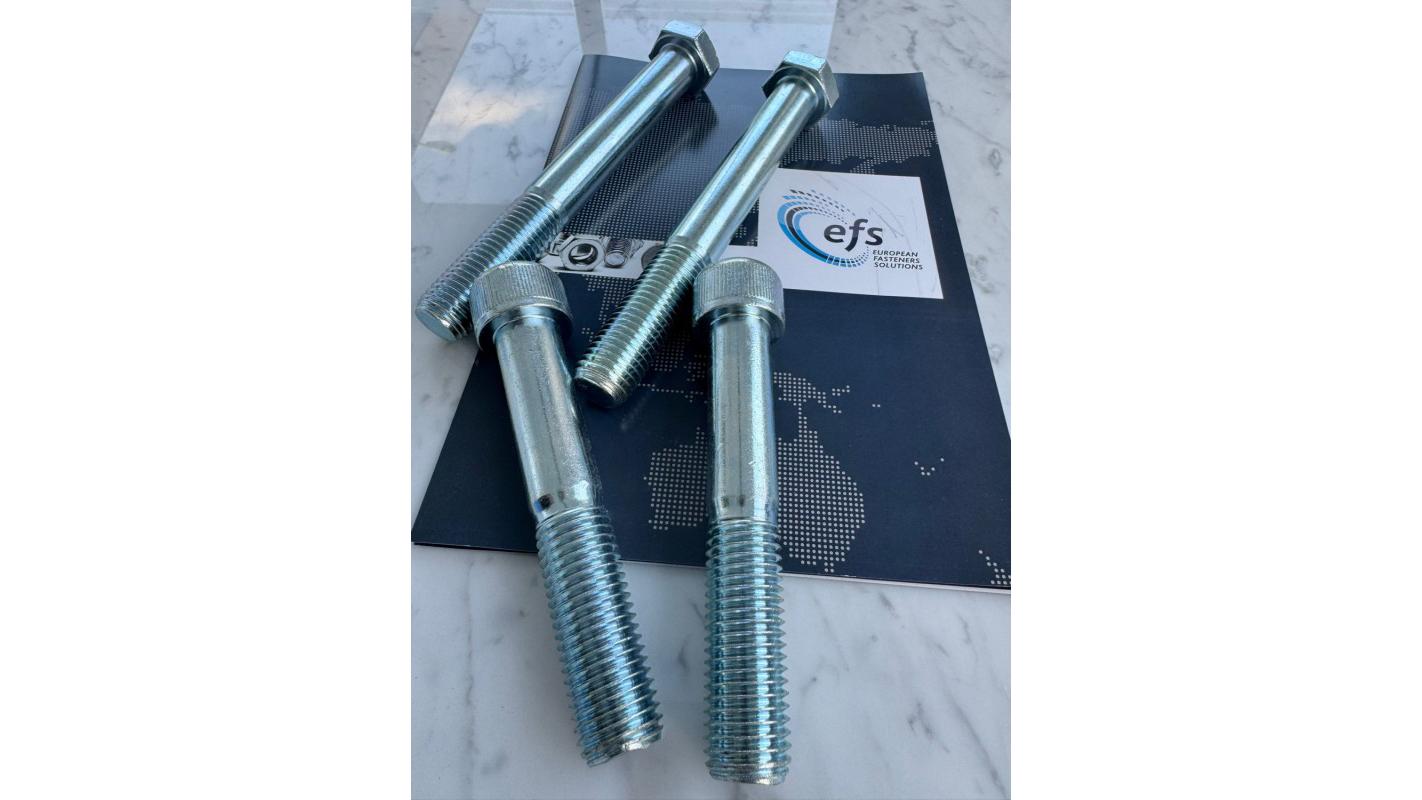
Torx drive screws can be manufactured with full or partial thread, standard or fine metric thread, and different head configurations depending on the assembly requirements. In the most demanding applications, high property classes such as 10.9 and 12.9 according to ISO 898-1 are frequently used to ensure high mechanical performance even under significant loads.
Industrial Applications of Torx Drive Screws
Torx drive screws are used in many industrial sectors where tightening precision, reliability and vibration resistance are essential requirements.
In the heavy-duty automotive sector, they are used to fasten gearboxes, differentials, transmission systems and powertrain components. In these contexts, tightening stability directly contributes to the reliability and durability of the entire system.
Earthmoving and agricultural machinery also frequently use Torx drive screws for the assembly of structural components and mechanical assemblies subject to high stress. The high tightening torques required by these applications make the use of the Torx drive particularly advantageous.
In the machinery sector, they are used on gearboxes, presses, automated lines, machine tools and industrial handling systems, where coupling precision and tightening repeatability play a decisive role in the correct operation of the plant.
Special versions are also used in the energy, railway, offshore and Oil & Gas sectors, where specific materials, advanced anti-corrosion treatments and dedicated certifications may be required.
ISO, DIN and UNI Standards
Torx drive screws can be manufactured according to different dimensional and construction standards, depending on the required geometry.
The main reference standards include:
- ISO 898-1 for the mechanical properties of carbon steel and alloy steel screws
- ISO 965 for metric thread tolerances and threads
- ISO 261 and ISO 262 for metric thread series
- ISO 14579 for socket head cap screws with Torx drive
- ISO 14580 for button head Torx drive screws
- ISO 14581 for countersunk head Torx drive screws
- ISO 14583 and ISO 14584 for additional configurations with Torx drive
For special production, OEM specifications, customer technical specifications and dimensional requirements defined by drawing may also be applied.
Main Types of Torx Drive Screws
The Torx drive screw family includes numerous configurations, developed to meet different assembly and performance requirements.
The most commonly used types in industrial applications are:
- cylindrical head Torx drive screws
- countersunk head Torx drive screws
- button head Torx drive screws
- flanged Torx drive screws
- fine-thread Torx drive screws
- Torx drive screws with pre-applied threadlocker
- special made-to-drawing Torx drive screws
The choice of configuration depends on the characteristics of the joint, the available space and the operating conditions expected during the component’s life cycle.
Materials for Industrial Torx Drive Screws
Material selection is one of the most important aspects in the design of a fastening system. Environmental conditions, applied loads and required service life directly influence the choice of the most suitable alloy.
EFS manages supplies of Torx drive screws in:
- carbon steels in property classes 8.8, 10.9 and 12.9
- 42CrMo4
- 39NiCrMo3
- 34CrNiMo6
- AISI 304 and AISI 316 stainless steels
- Duplex and Super Duplex
- ASTM A193 B7 and ASTM A193 B16
- Inconel 718
- Hastelloy
- Titanium
For critical applications in the energy, offshore and Oil & Gas sectors, materials with high resistance to corrosion, high temperatures or particularly severe operating conditions may be required.
Surface Treatments
Surface treatments make it possible to improve corrosion resistance, optimize behaviour during tightening and increase the service life of the fastener in operation.
The most commonly used treatments include:
- electrolytic zinc plating
- hot-dip galvanizing
- Geomet®
- zinc-nickel coating
- black oxide treatment
- phosphating
- electroless nickel plating
- Xylan®
- pre-applied threadlocker
For high-strength screws in property classes 10.9 and 12.9, non-electrolytic coatings such as Geomet® or zinc-flake systems are frequently used. These are particularly valued for eliminating risks related to hydrogen embrittlement and for providing high corrosion protection.
EFS Capabilities
EFS supports standard and special supplies of industrial Torx drive screws through a network of qualified Italian and European manufacturers, selected according to the technical characteristics required by the project.
The activity includes the management of the entire order, from material selection to machining operations, from heat and surface treatments through to final inspections and technical documentation.
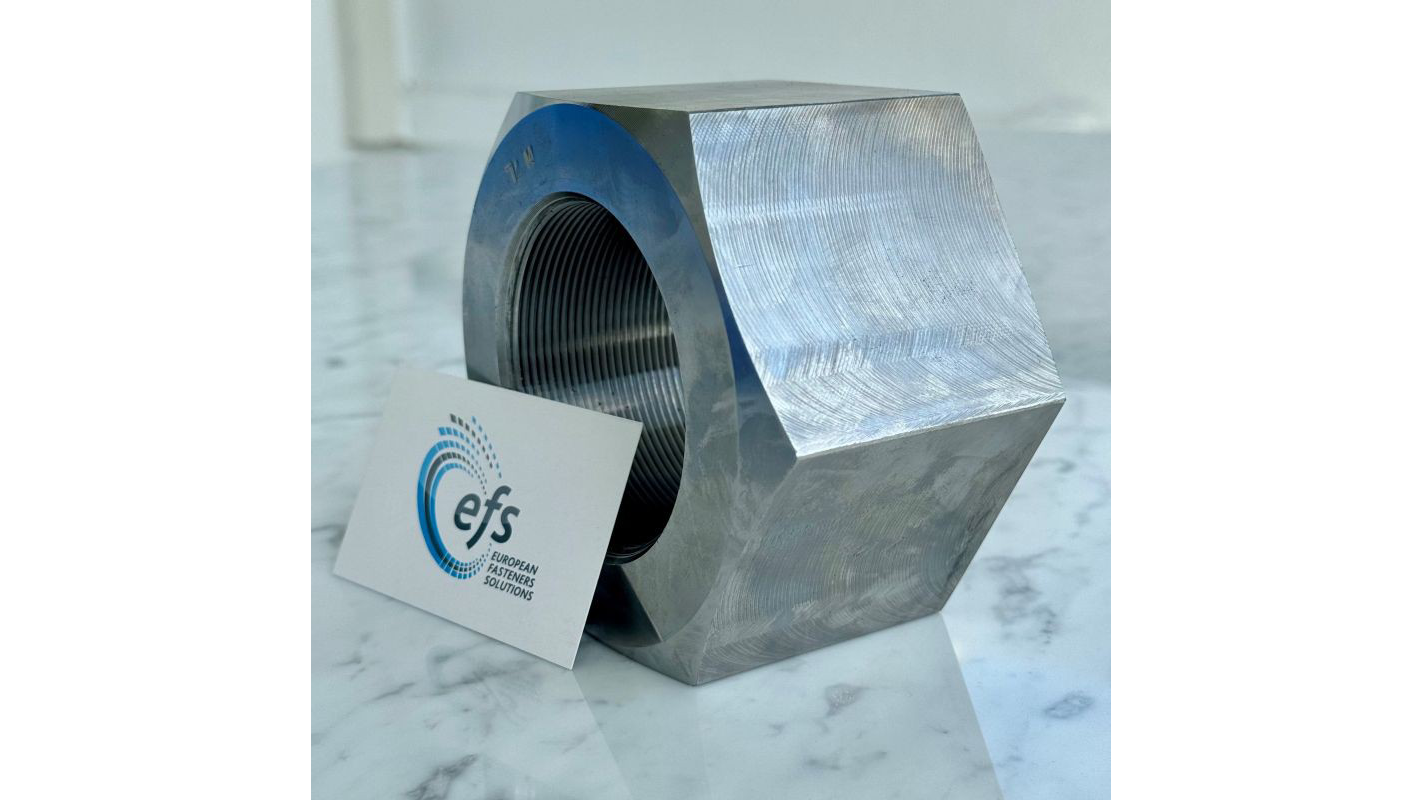
Made-to-drawing production is available with non-standard diameters and lengths, fine threads, customized markings, special machining operations and materials intended for critical applications.
On request, EN 10204 3.1 and 3.2 certificates, dimensional inspections, mechanical testing, non-destructive testing and full raw material traceability can be provided.
FAQ
What Advantages Does the Torx Drive Offer Compared to Other Drive Types?
The Torx drive allows more efficient torque transmission, reduces the risk of tool slipping and limits drive wear during assembly operations.
When Is It Advisable to Use Fine-Thread Torx Drive Screws?
Fine threads are particularly suitable for applications subject to vibration or when more precise control of the tightening preload is required.
Is It Possible to Manufacture Made-to-Drawing Torx Drive Screws?
Yes. Torx drive screws can be manufactured according to customer specifications, with dedicated geometries, special materials, customized surface treatments and certifications compliant with the requirements of the target sector.