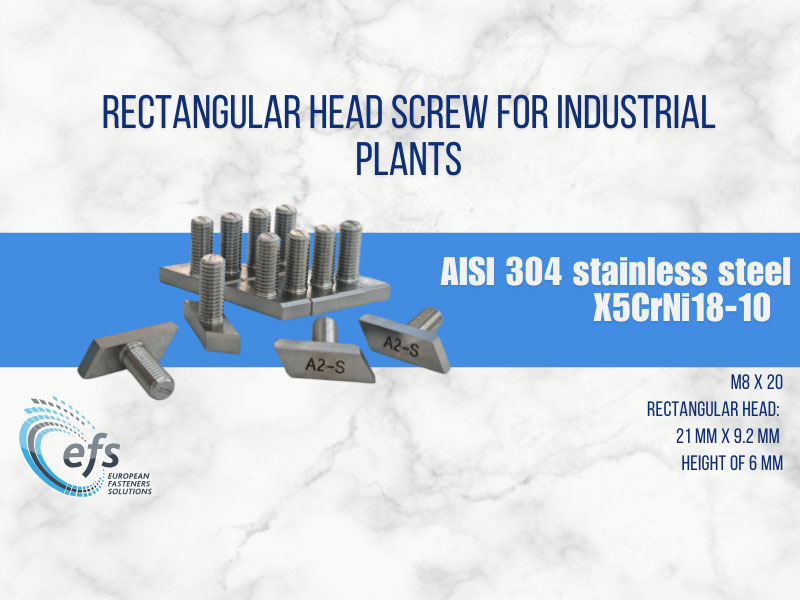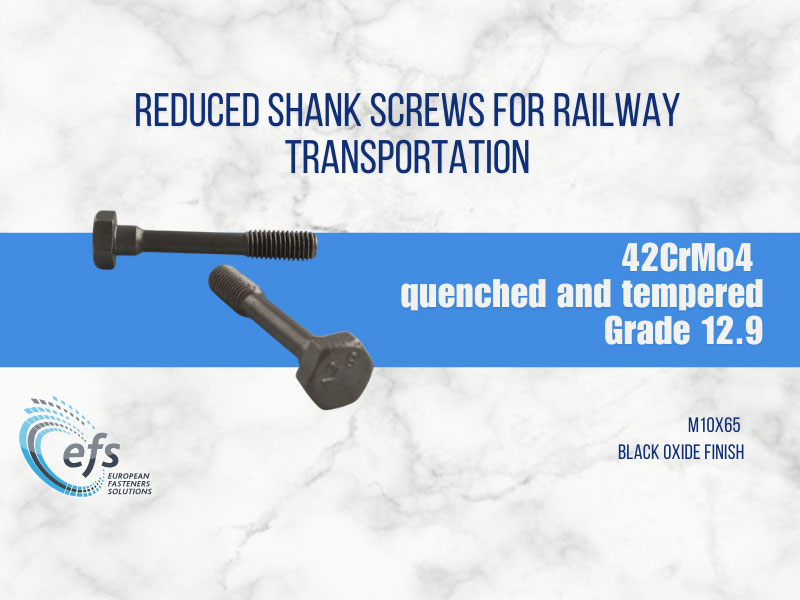


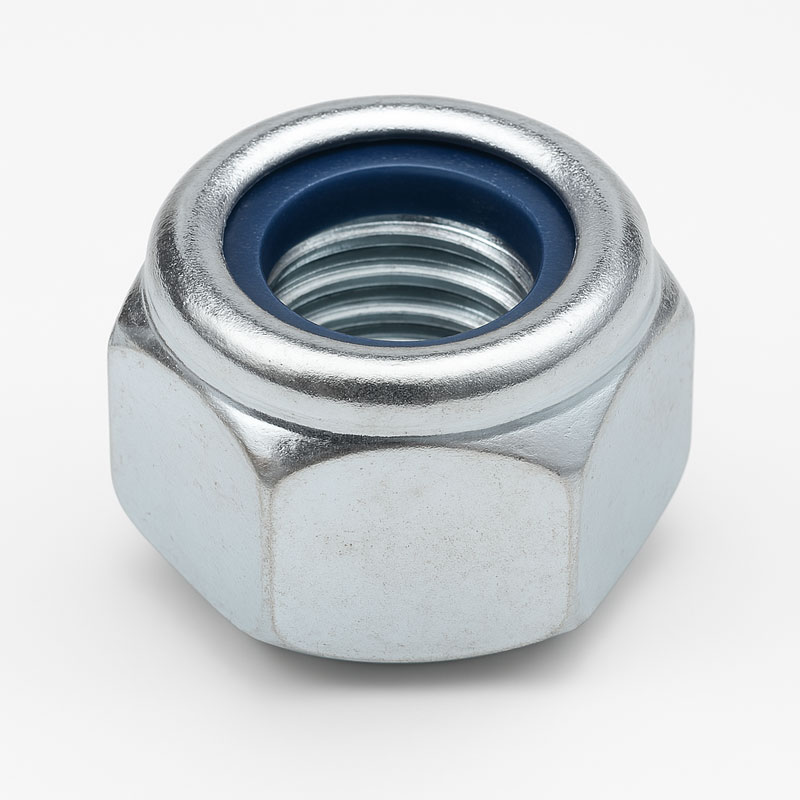
Industrial self-locking nuts are designed to maintain tightening stability even in the presence of vibration, impact and dynamic loads. For this reason, they are used in many industrial sectors where connection safety is essential, such as machinery, power transmission, railway, energy, heavy-duty automotive, cranes and plant engineering.
Compared to standard hex nuts, they integrate a system that increases resistance to accidental loosening and helps preserve joint preload over time. The choice of the most suitable type depends on the operating environment, working temperature, mechanical stresses and planned maintenance procedures.
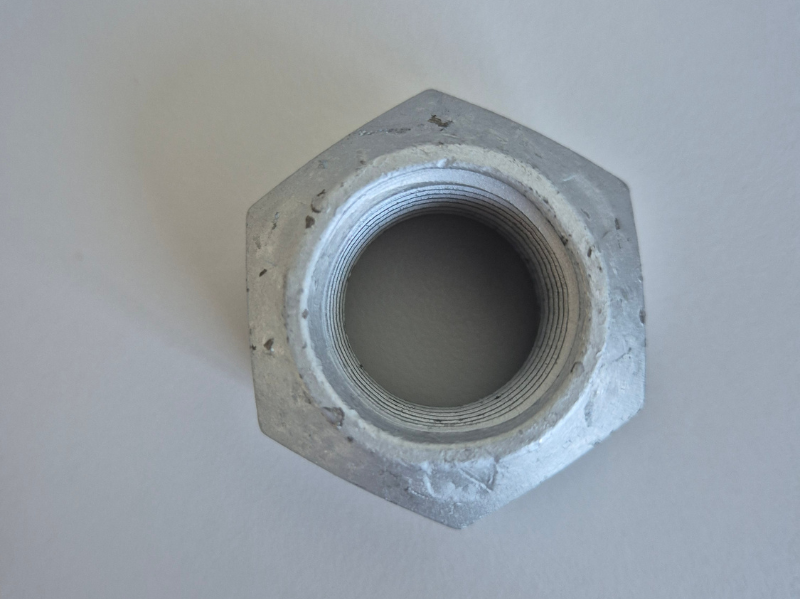
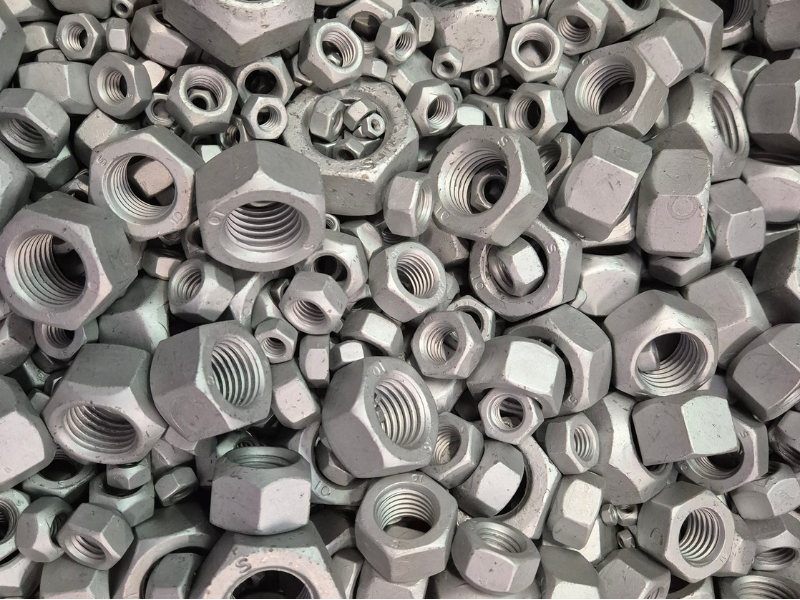
Characteristics of Self-Locking Nuts
The operating principle of self-locking nuts consists of introducing additional resistance to rotation, reducing the risk of loosening caused by vibration or variable loads.
The most common solutions include:
- self-locking nuts with polyamide insert, used in general mechanical applications;
- prevailing torque all-metal self-locking nuts, suitable for high temperatures and demanding operating conditions;
- flanged self-locking nuts, which combine locking function and tightening load distribution.
The choice between these configurations depends not only on the reference standard, but above all on the actual operating conditions of the connection.
Industrial Applications of Self-Locking Nuts
Self-locking nuts are used in all applications where maintaining tightening stability is an essential requirement.
In the machinery sector, they are used on gearboxes, transmission assemblies, presses and machine tools subject to continuous vibration. In the automotive, heavy-duty and earthmoving sectors, they are used on frames, axles, suspensions and components subject to high dynamic stress.
In the energy, railway, offshore and Oil & Gas sectors, they are also frequently used for fastening flanges, valves, pumps, metal structures and industrial equipment, where reliability and operational continuity are key priorities.
ISO, DIN and UNI Standards
Self-locking nuts are manufactured according to international standards that define geometries, dimensional characteristics and performance requirements.
The most widely used standards include:
- ISO 7040 and DIN 985 for self-locking nuts with non-metallic insert;
- ISO 7042 and DIN 980 for all-metal self-locking nuts;
- ISO 2320 for the verification of performance and prevailing torque.
For designers and purchasing departments, however, regulatory compliance is only one of the factors to be considered. Material, surface treatment, certification and traceability are often equally decisive for the correct selection of the component.
Main Types of Self-Locking Nuts
The self-locking nut family includes numerous configurations, developed to meet different application requirements.
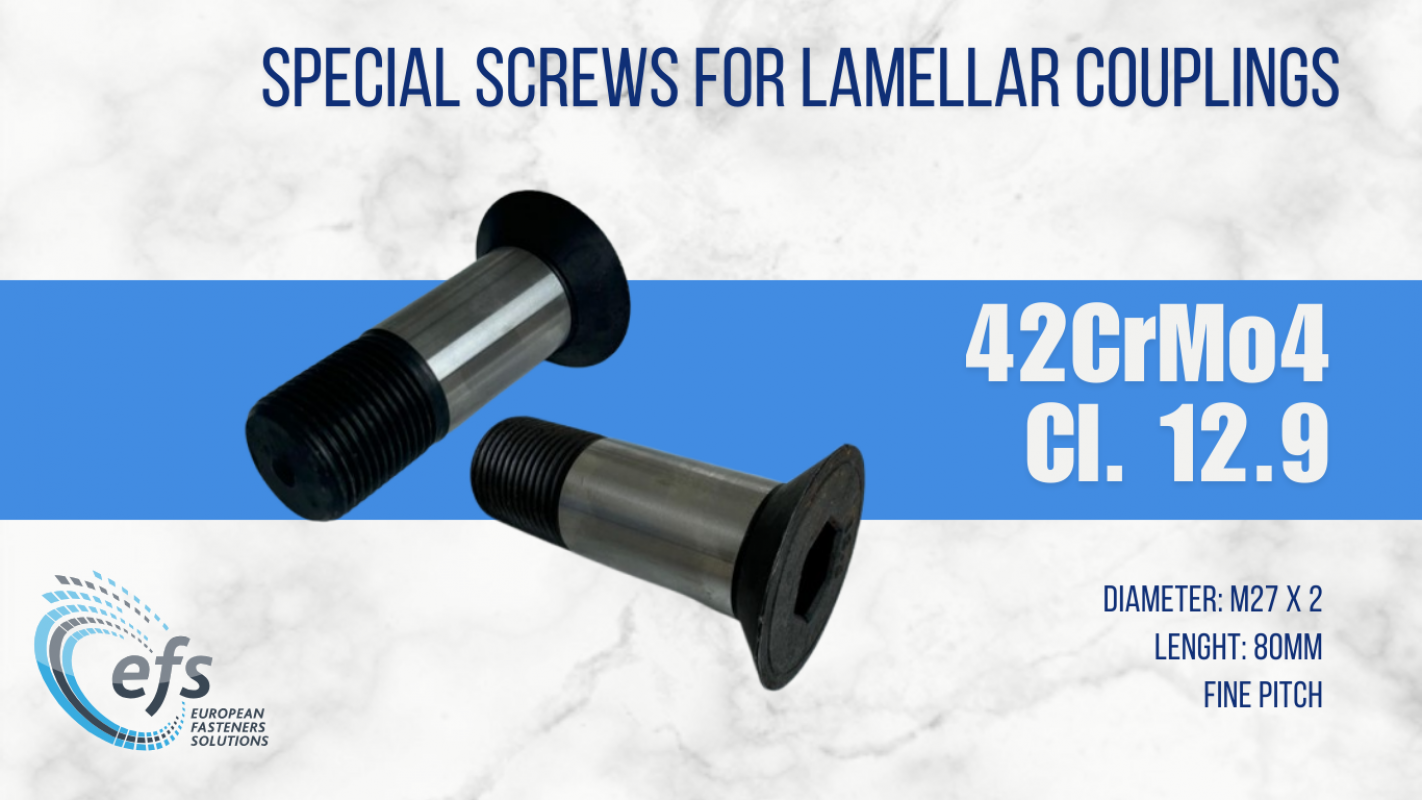
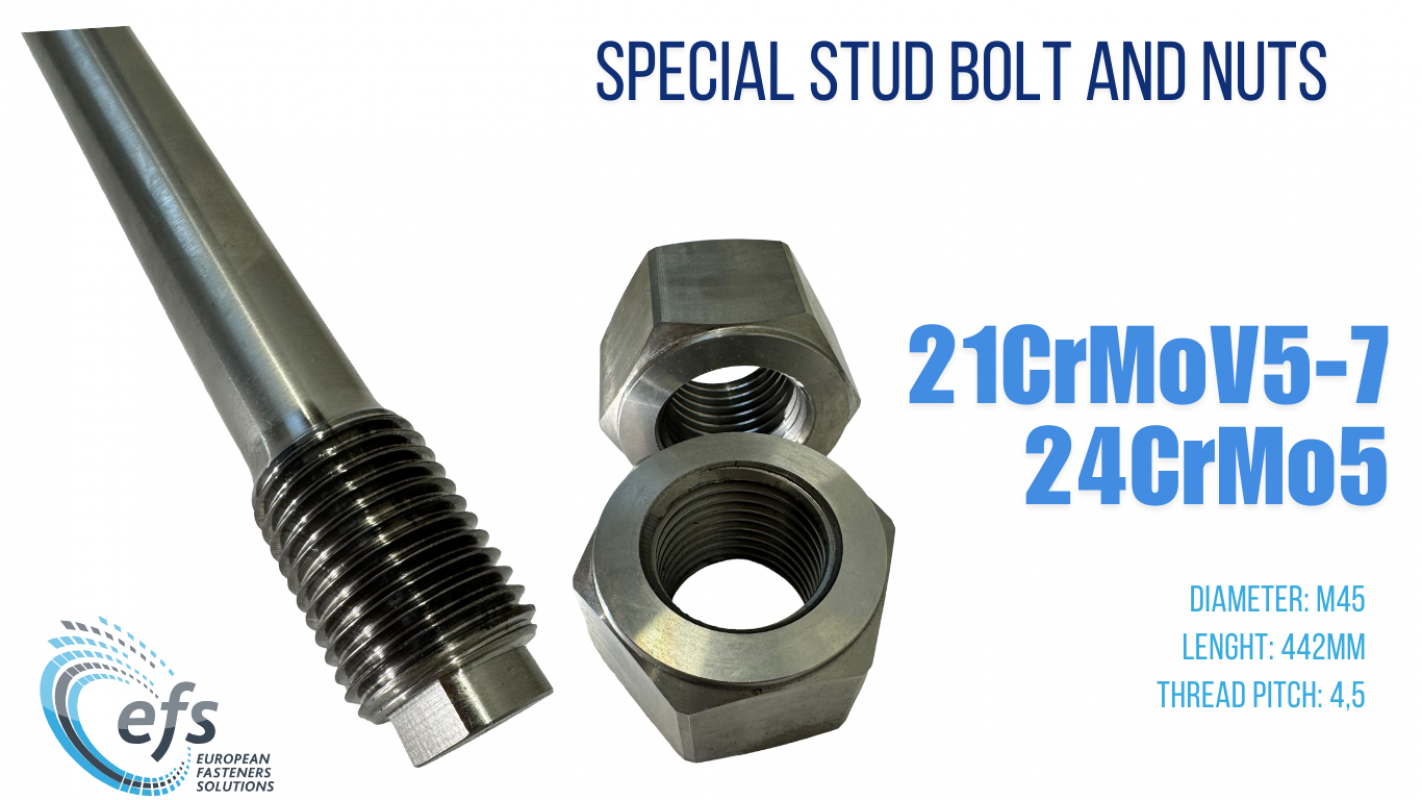
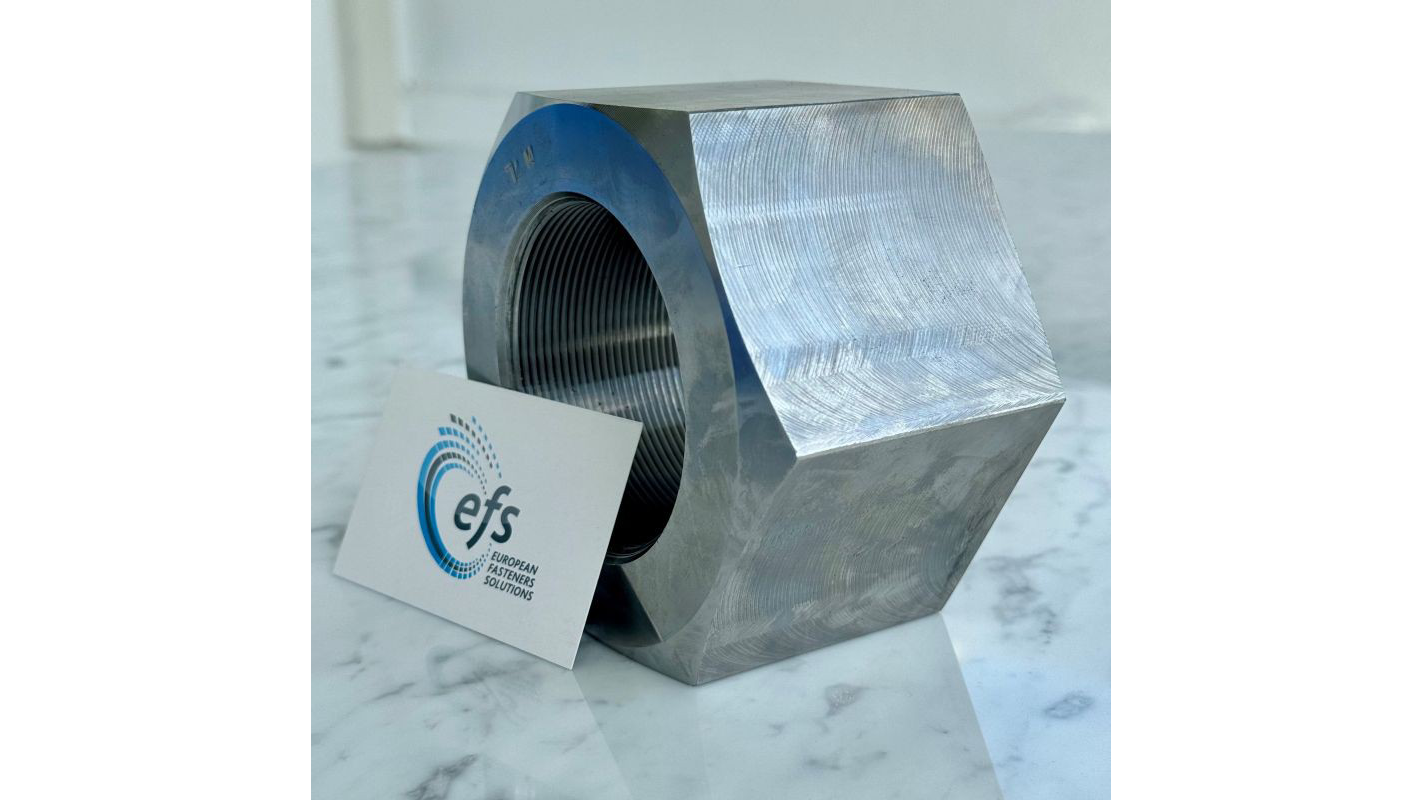
In addition to standard versions according to ISO and DIN, special components are frequently manufactured with fine threads, non-standard dimensions, dedicated geometries or specific requirements requested by the customer. In industrial applications, it is not uncommon for the nut to be designed as an integral part of the entire fastening system, together with the screw, stud and washer.
Available Materials
EFS manages supplies of self-locking nuts in carbon steels, high-strength alloy steels, A2 and A4 stainless steels, ASTM materials for Oil & Gas applications, Duplex, Super Duplex and special alloys such as Inconel and Hastelloy. Material selection is based on environmental conditions, operating temperature, the presence of corrosive agents and the mechanical requirements of the application.
Surface Treatments
Surface protection plays an important role in the durability of the connection and in corrosion resistance. Depending on the application, self-locking nuts can be supplied with electrolytic zinc plating, hot-dip galvanizing, Geomet®, zinc-nickel coating, phosphating, black oxide treatment, electroless nickel plating or other specific technical coatings. The choice of treatment must always be evaluated together with the material characteristics and the expected operating conditions.
EFS Capabilities
EFS supports supplies of standard and special self-locking nuts through a network of qualified Italian and European manufacturers. Thanks to its experience in special fasteners, EFS can manage made-to-drawing components, special materials, dedicated treatments and advanced documentation requirements for critical industrial applications.
Supplies can be accompanied by EN 10204 3.1 or 3.2 certificates, dimensional inspections, mechanical testing and full raw material traceability, ensuring supply continuity and compliance with the customer’s technical specifications.
FAQ
When Should an All-Metal Self-Locking Nut Be Chosen Instead of One with a Polyamide Insert?
All-metal nuts are generally preferred when the connection operates at high temperatures or in environments where the polymer insert could deteriorate over time.
Can Self-Locking Nuts Be Used in the Presence of Strong Vibration?
Yes. They are specifically designed to increase resistance to loosening and are widely used on machinery, transmission systems, industrial plants and heavy-duty vehicles.
Is It Possible to Manufacture Made-to-Drawing Self-Locking Nuts?
Yes. For special applications, they can be manufactured with specific materials, dimensions, threads and treatments, according to the project requirements and operating conditions.