

Dowel Pins
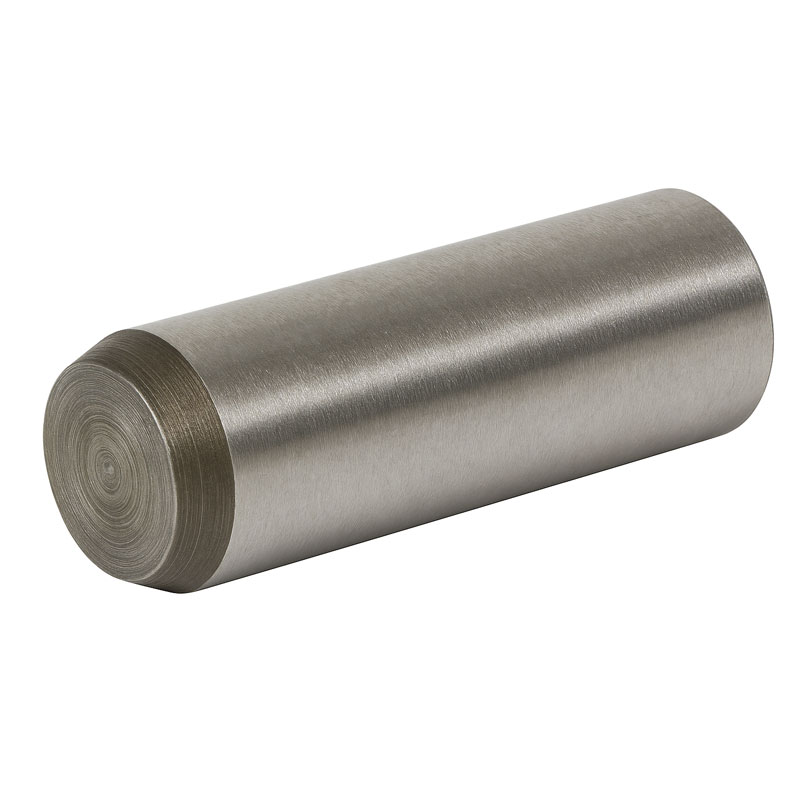
Dowel pins are mechanical components used for centring, positioning and precise locking of mechanical parts. Although they may appear to be simple components, they play a fundamental role in assembly repeatability, force transmission and correct alignment of components subject to vibration or frequent disassembly.
For EFS, dowel pins represent a complementary production area to special fasteners. Most supplies concern fully made-to-drawing dowel pins, with geometries, tolerances, materials and treatments defined by customer specifications, often intended for high-precision industrial applications.
Characteristics of Industrial Dowel Pins
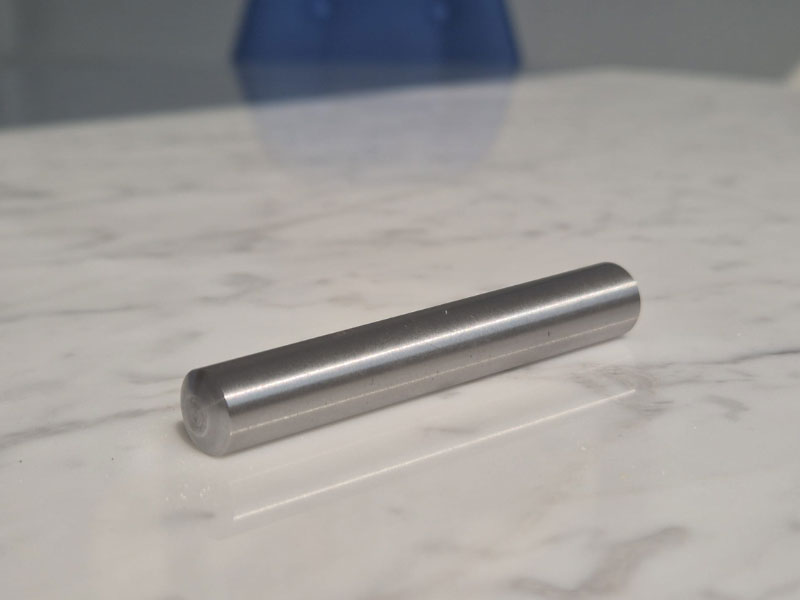
Dowel pins are designed to ensure the correct relative positioning of components, preventing unwanted movement and ensuring accuracy and repeatability during assembly and subsequent maintenance operations.
Parallel Dowel Pins
Parallel dowel pins are mainly used for centring mechanical components with precision fits. They can be manufactured according to the main international standards or produced to drawing to meet specific dimensional requirements.
Taper Pins
Taper pins, generally with a 1:50 taper, ensure a stable fit thanks to the interference between the pin and the seat. They are particularly suitable for machine tools and systems subject to vibration, where precise repositioning is required after each disassembly. Final grinding makes it possible to achieve high dimensional accuracy and a perfect fit.
Spring Pins
Spring pins are used when slight dimensional variations need to be compensated for and impact or vibration must be absorbed, while maintaining constant clamping force over time.
Special Made-to-Drawing Pins
For many industrial applications, pins are manufactured entirely to drawing, with customized diameters, lengths, tolerances and geometries according to the component to be assembled.
Industrial Applications of Dowel Pins
Dowel pins are used in many industrial sectors where positioning accuracy and reliability are essential.
The main applications include:
- machine tools;
- gearboxes and transmission systems;
- machinery;
- Oil & Gas plants;
- energy sector;
- industrial automation.
They are used for centring flanges, housings, bases, guides, mechanical assemblies and other components that require high assembly accuracy and repeatability of couplings.
ISO, DIN and UNI Standards
Dowel pins can be manufactured according to the main international standards or produced to customer specifications.
The most widely used standards include:
- ISO 2338 / DIN 7 – parallel dowel pins;
- ISO 8734 – hardened and ground parallel dowel pins;
- ISO 2339 / DIN 1 – taper pins;
- ISO 8752 – slotted spring pins.
In special applications, fully made-to-drawing production is nevertheless frequent, with tolerances and characteristics defined by the project.
Available Materials
Depending on the application and operating conditions, EFS can supply special dowel pins manufactured in:
- carbon steels;
- alloy steels such as 42CrMo4 and 39NiCrMo3;
- stainless steels;
- Duplex and Super Duplex;
- Inconel and other special alloys.
Material selection depends on the mechanical strength, corrosion, temperature and durability requirements specified by the application.
Treatments and Reworking Operations
In special dowel pins, finishing operations are often as important as the material itself. Depending on the project specifications, EFS coordinates mechanical reworking operations and treatments aimed at ensuring dimensional accuracy, mechanical strength and long-term durability.
Mechanical Reworking Operations
The main operations include:
- precision grinding;
- turning and made-to-drawing reworking operations;
- dimensional finishing with hundredth-of-a-millimetre tolerances;
- dedicated machining operations for precision fits.
Heat and Surface Treatments
Depending on application requirements, the following treatments can be performed:
- quenching and tempering;
- hardening and tempering;
- black oxide treatment;
- electrolytic zinc plating;
- electroless nickel plating;
- Geomet® coatings and other anti-corrosion treatments.
EFS Capabilities
Dowel pins represent a specialist supply, mainly manufactured according to customer drawings. EFS coordinates the entire production process, from material selection to machining operations, from treatments to dimensional inspections, through to technical documentation.
On request, special materials, full traceability of the raw material, EN 10204 3.1 and 3.2 certificates and dimensional inspections compliant with project specifications are available.
FAQ
What Is the Difference Between a Parallel Dowel Pin and a Taper Pin?
A parallel dowel pin is mainly used for precision centring, while a taper pin provides interference locking, offering greater stability even in the presence of vibration.
Is It Possible to Manufacture Made-to-Drawing Pins?
Yes. EFS manufactures pins according to customer specifications, with customized geometries, tolerances, materials and treatments, including alloy steels, stainless steels and special alloys.
Which Materials Are Most Suitable for Corrosive Environments?
For particularly demanding applications, stainless steels, Duplex, Super Duplex or nickel-based alloys can be used, selected according to the operating environment and the project specifications.