

Made-to-drawing screws are fastening components manufactured according to technical specifications defined by the customer and designed to meet application requirements that cannot be satisfied by standard fasteners.
In many cases, they are based on an ISO, DIN or UNI screw that has been modified in terms of dimensions, machining operations or functional characteristics. In other cases, they are components developed entirely for a specific industrial application.
This type of fastening is used in the machinery, Oil & Gas, energy, railway, cement plant, industrial automation and material handling sectors, where the proper operation of the assembly also depends on the geometry and characteristics of the fastening system.
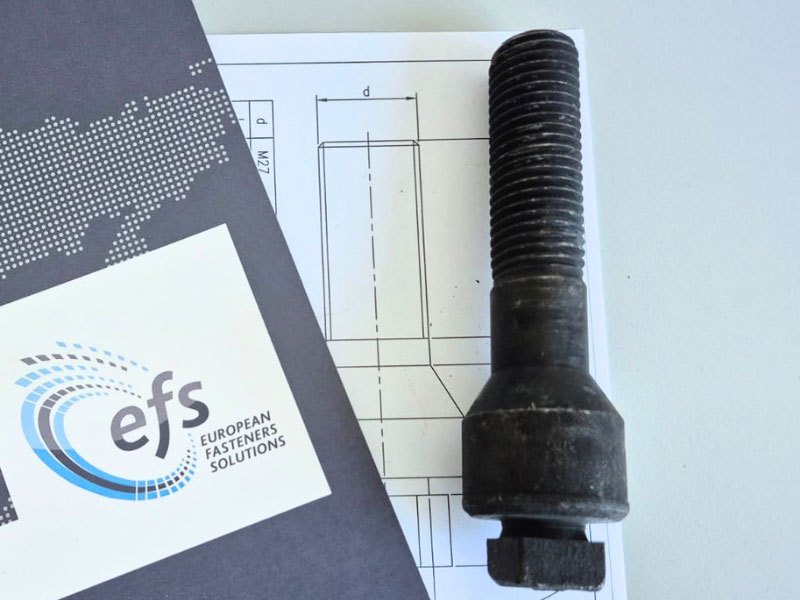
What Is a Made-to-Drawing Screw?
A made-to-drawing screw is a fastening component manufactured on the basis of specific technical documentation, rather than solely according to a catalogue standard.
Customizations may involve head geometries, diameters, lengths, threads, tolerances, materials, surface treatments and additional machining operations.
Made-to-drawing screws are used when standard solutions cannot meet the assembly, mechanical strength, space or functional requirements of the project.
EFS manufactures made-to-drawing screws according to the technical specifications provided by the customer, supporting the production of components intended for industrial machinery, plants, power transmission systems, special equipment and applications subject to particularly demanding operating conditions. Depending on the project requirements, the supply may include special materials, dedicated surface treatments, dimensional inspections and specific certifications.
Liner Bolts for Cement Plants
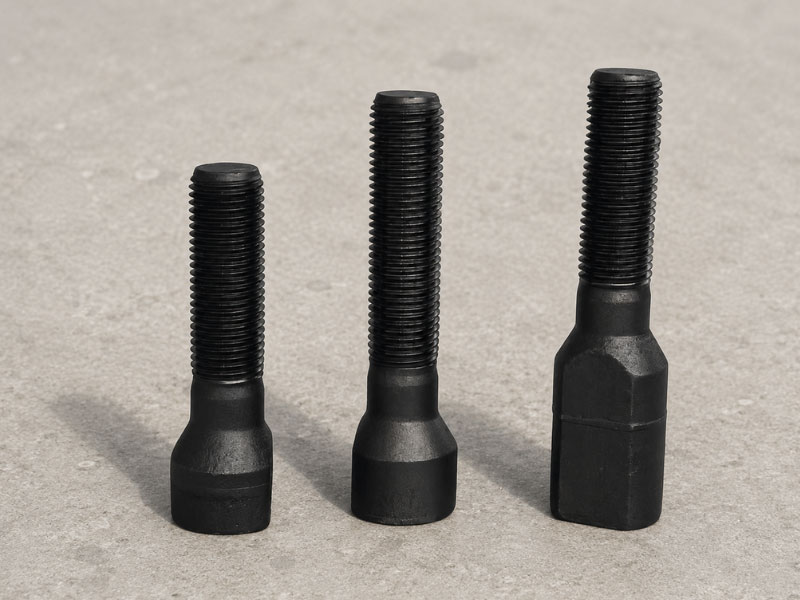
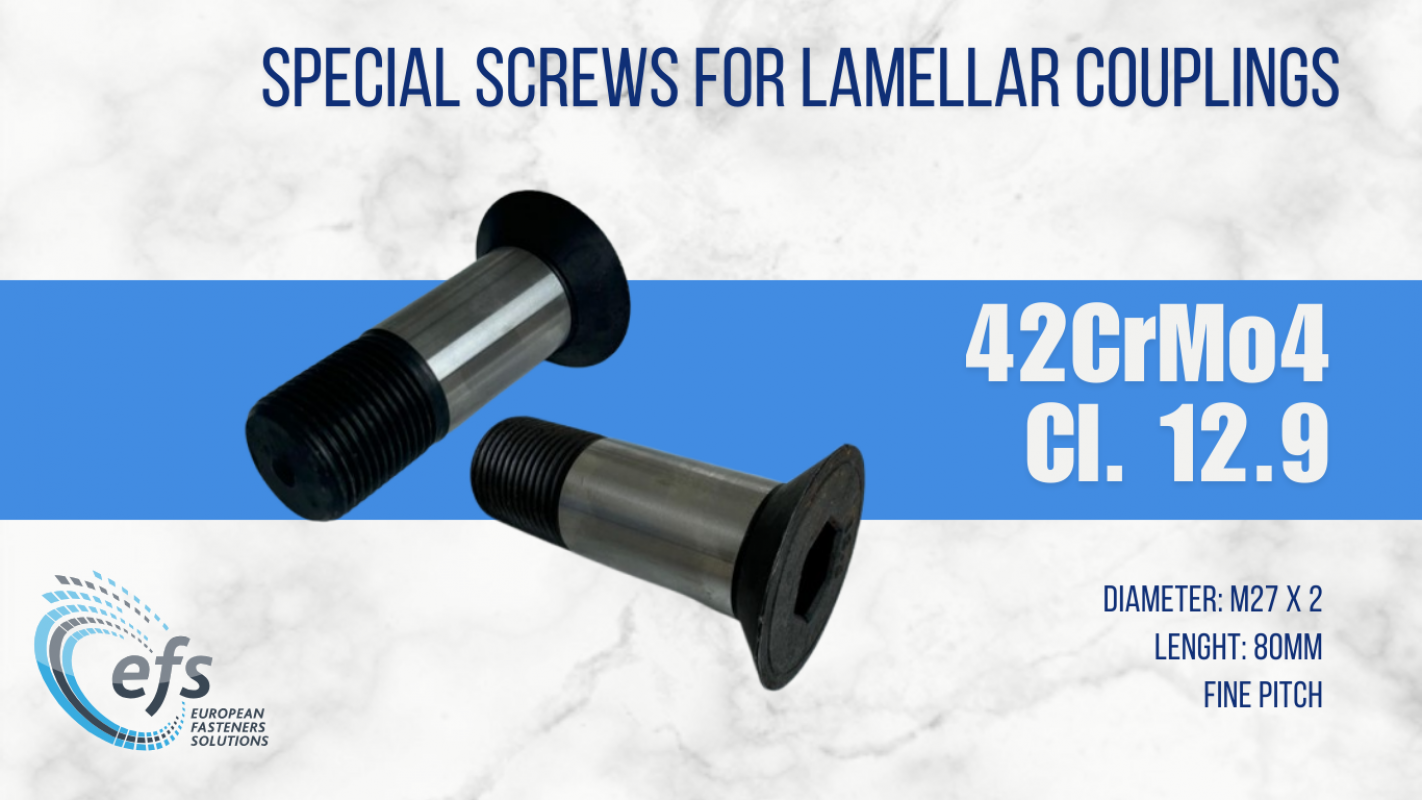
Liner bolts are used to fasten the internal liners of crushing and grinding mills used in cement plants and in the mining industry.
These components are manufactured almost exclusively according to the customer’s technical specifications, as each manufacturer adopts different geometries and dimensions depending on the type of plant and the planned maintenance procedures.
The most common configurations include countersunk or cylindrical heads, fine threads and strength classes generally ranging from 8.8 to 10.9.
The most commonly used materials are quenched and tempered steels and alloy steels designed to operate under strong vibration, impact and continuous wear conditions.
Square Head Screws

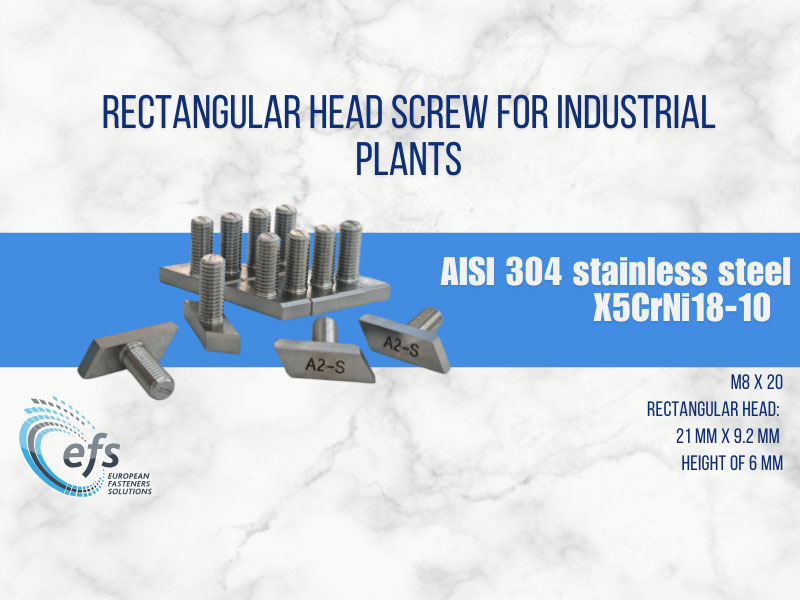
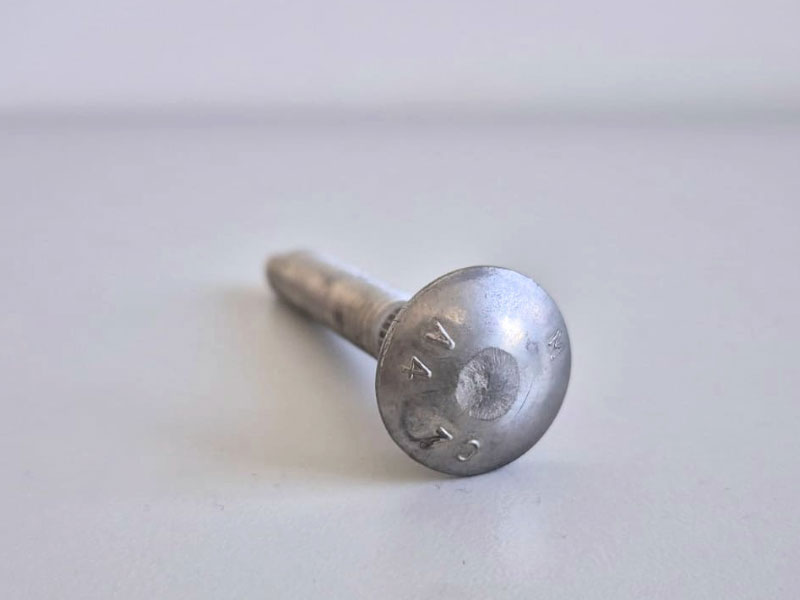
Square head screws are used in applications where it is necessary to prevent the fastener from rotating during tightening or to ensure coupling with dedicated seats.
Although historical standard references exist for certain configurations, many industrial applications require non-standard dimensions and characteristics, making production according to project specifications necessary.
They are used in steel construction, plant engineering, handling systems, special machinery and industrial equipment.
The most common materials include carbon steels, class 8.8 and 10.9 alloy steels, and stainless steels.
Breakaway Screws
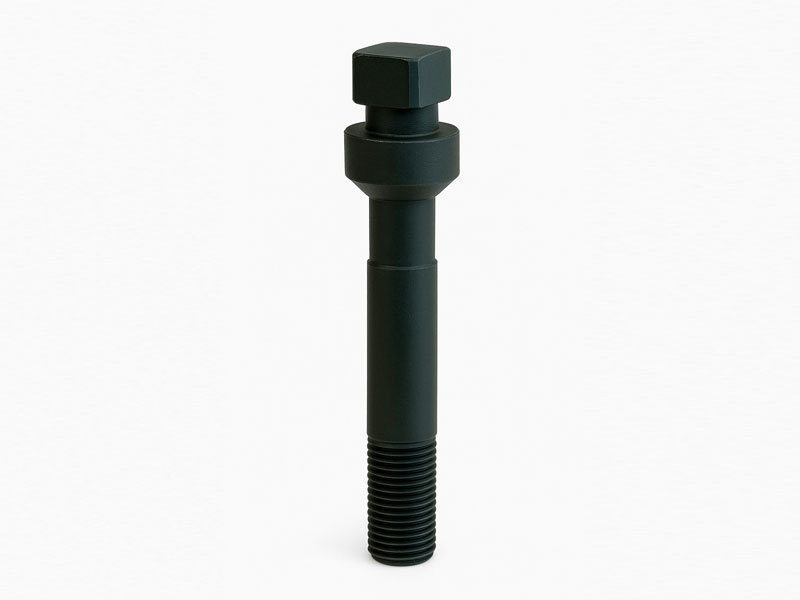
Breakaway screws are designed for applications where permanent fastening or high levels of security against tampering are required.
The head is designed to break off when a specific tightening torque is reached, leaving the body of the screw installed and making removal difficult.
These components are used in infrastructure, public facilities, security systems, electrical panels, transport and equipment requiring protection against unauthorised access or intervention.
The most commonly used materials are zinc-plated steel and stainless steel.
Made-to-Drawing Pivot Screws
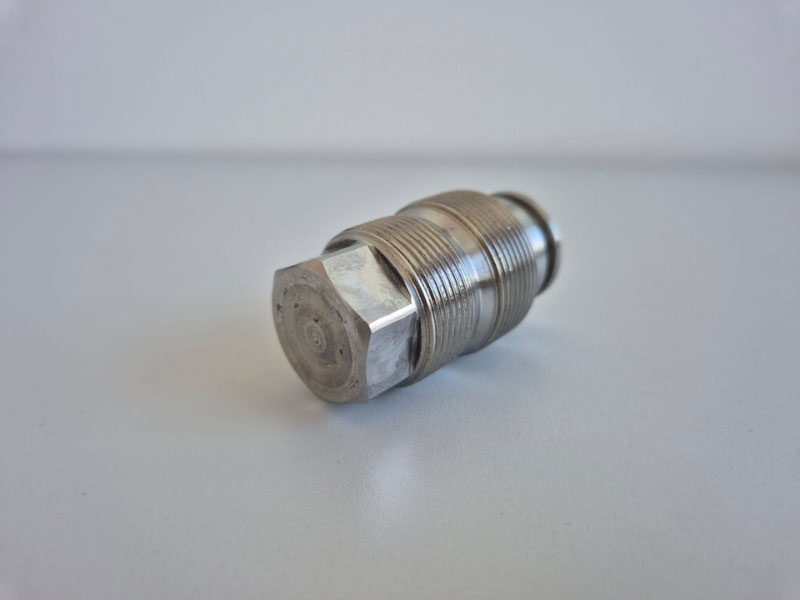
Pivot screws combine fastening and pivoting functions within a single component.
The presence of different diameters, bearing surfaces, grooves, reliefs or ground sections allows them to perform locking, guiding and positioning functions at the same time.
They are widely used in industrial machinery, handling systems, articulated assemblies, mechanical equipment and applications subject to dynamic loads.
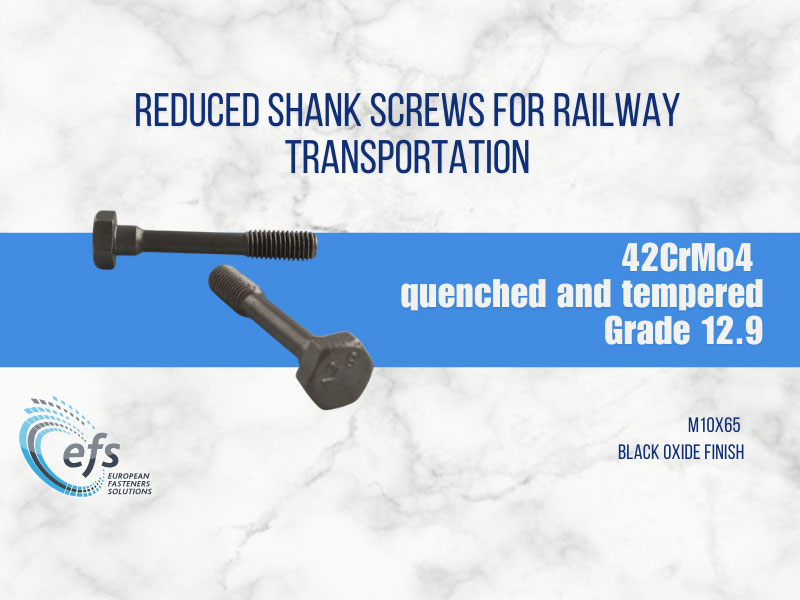
The most commonly used materials include 42CrMo4, 39NiCrMo3, ASTM A193 B7 and stainless steels for corrosive environments.
Made-to-Drawing Socket Head Cap Screws
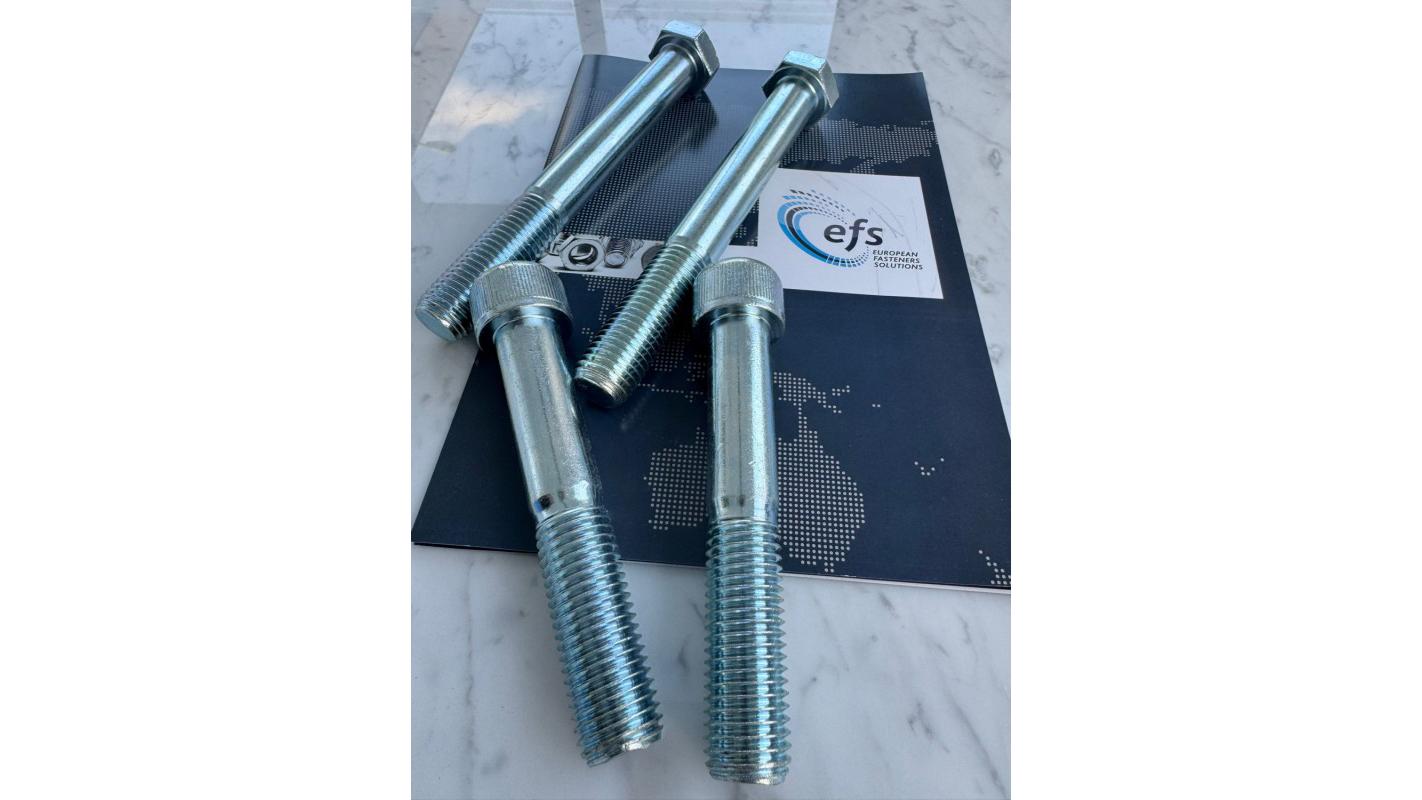
Socket head cap screws are one of the most frequently customized screw families in the industrial sector.
They are often based on configurations related to standards such as ISO 4762 or DIN 912, but are modified in their functional dimensions to adapt to the requirements of the application.
Customizations may involve head height, diameter, thread length, special drives, particular thread forms, relief grooves or additional machining operations.
They are used in machine tools, gearboxes, automated plants, power transmission systems and precision mechanical assemblies.
Knurled Screws
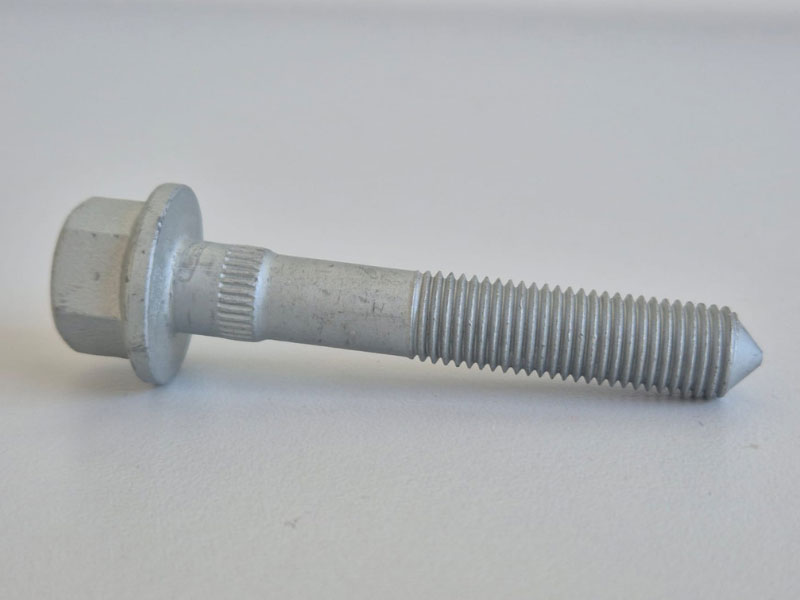
Knurled screws are characterized by the presence of knurling on the shank, under the head or in specific functional areas of the component.
This machining operation can improve locking, facilitate an interference fit or contribute to the correct positioning of the component during assembly.
They are used in automotive applications, power transmission, agricultural machinery, handling systems and mechanical assemblies subject to vibration.
The most common materials are quenched and tempered steels in classes 10.9 and 12.9, often combined with anti-corrosion surface treatments or thread locking systems.
Eye Screws
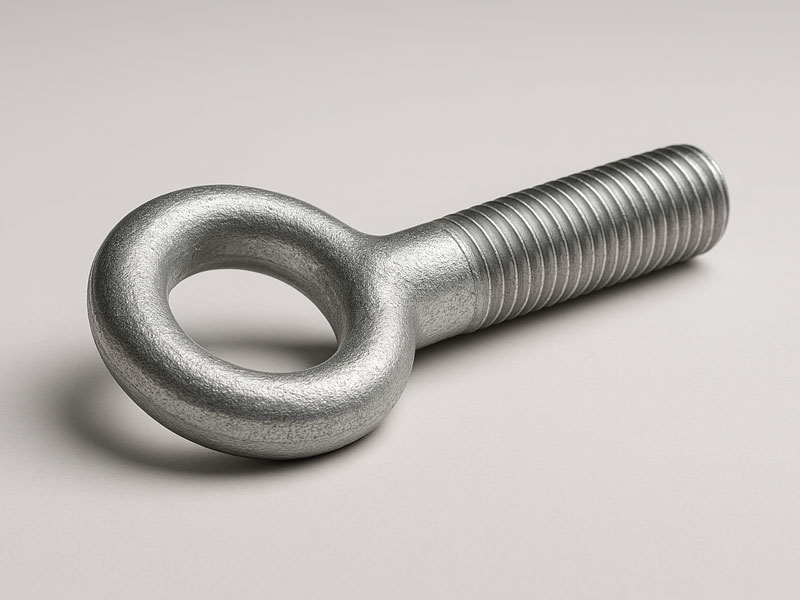
Eye screws are fastening components equipped with an integrated eye that allows lifting, handling, anchoring or tensioning operations for components and structures.
They are used in industrial plants, machinery, heavy steel construction, lifting equipment and load handling systems. In addition to standard versions, many applications require special dimensions, threads or materials manufactured to drawing.
The most commonly used materials include carbon steels, high-strength alloy steels and stainless steels.
Industrial Applications of Drawn Screws
Custom screws are used whenever a standard solution is not sufficient to meet the requirements of the project.
They are used in:
- machine tools;
- industrial plants;
- cement plants;
- power transmission systems;
- cranes and lifting equipment;
- heavy-duty automotive applications;
- railway sector;
- energy;
- Oil & Gas;
- industrial automation.
In these contexts, the fastening system often performs functions that go beyond simple tightening, contributing to the correct positioning and operation of the entire assembly.
Available Materials
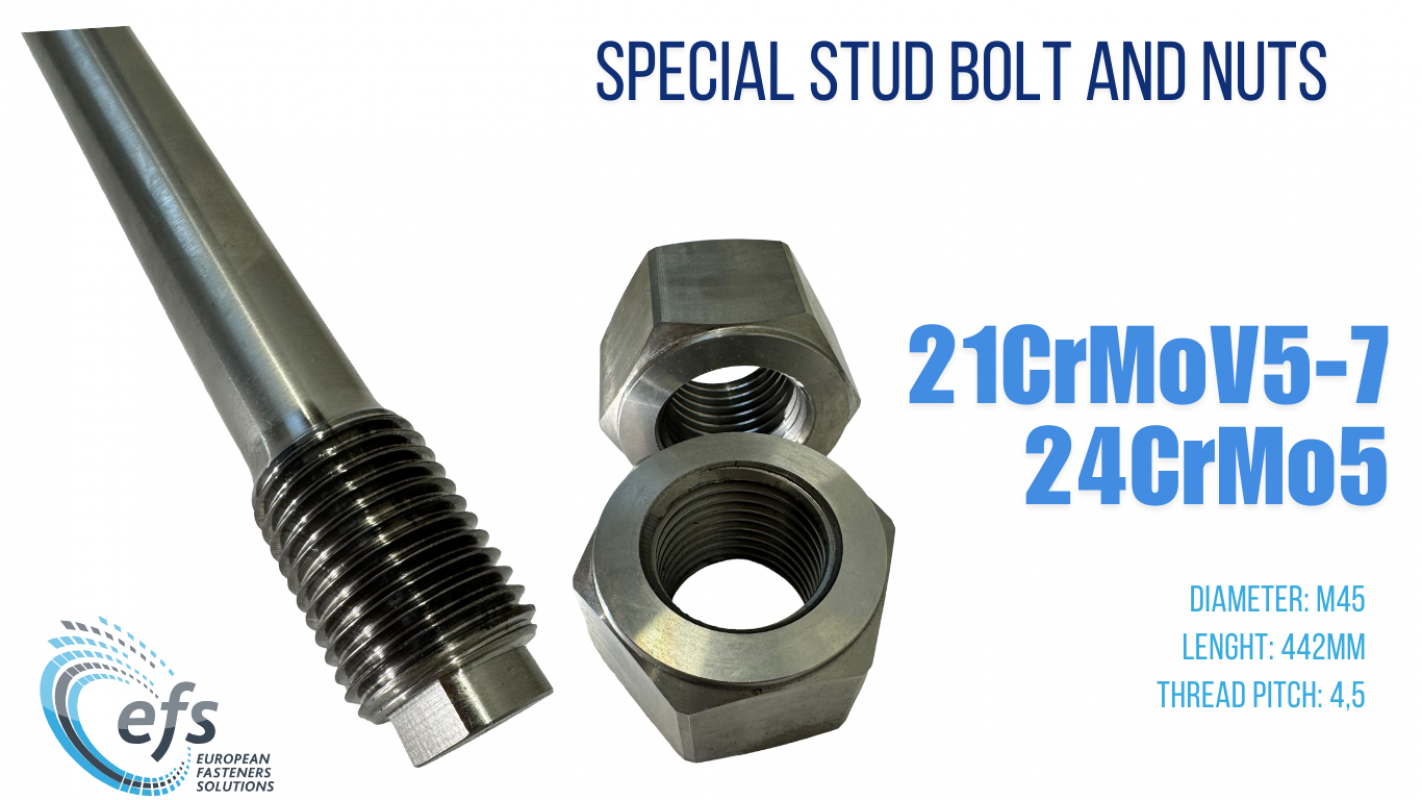
Custom screws can be manufactured in a wide range of materials, depending on the required operating conditions.
The most commonly used include:
- carbon steels;
- quenched and tempered alloy steels;
- 42CrMo4;
- 39NiCrMo3;
- 34CrNiMo6;
- ASTM A193 B7;
- ASTM A193 B16;
- stainless steel A2 and A4;
- Duplex;
- Super Duplex;
- Inconel;
- Hastelloy;
- titanium and special alloys.
Material selection depends on applied loads, corrosion, operating temperature and durability requirements.
Surface Treatments
Surface treatments make it possible to improve corrosion resistance, durability and fastening performance.
The main treatments available include:
- electrolytic zinc plating;
- hot-dip galvanizing;
- Geomet®;
- zinc-nickel coating;
- black oxide treatment;
- phosphating;
- electroless nickel plating;
- Xylan®;
- thread locking systems applied to the thread.
The choice of treatment is made according to the operating environment and the technical specifications of the project.
EFS Capabilities in the Production of Made-to-Drawing Screws
The production of made-to-drawing screws requires expertise that goes beyond the simple supply of the component. The correct interpretation of the technical documentation, the choice of the production process and the selection of the most suitable manufacturer directly affect the quality and reliability of the final fastening system.
EFS acts as a technical partner in the management of special fastener supplies, analysing the customer’s drawing and identifying the most suitable production solution according to the required geometries, materials, treatments and quantities.
Thanks to a consolidated network of qualified Italian and European manufacturers, EFS is able to manage components produced through forming, CNC turning, thread rolling, grinding and dedicated machining operations, coordinating the entire process through to final inspections.
Supplies may include:
- screws manufactured entirely according to customer specifications;
- modifications of existing ISO, DIN and UNI screws;
- special materials and high-performance alloys;
- strength classes 8.8, 10.9 and 12.9;
- Duplex, Super Duplex, Inconel and Hastelloy;
- dedicated heat and surface treatments;
- EN 10204 3.1 and 3.2 certificates;
- dimensional and metallurgical inspections;
- non-destructive testing;
- marking and batch traceability.
The experience gained in the machinery, energy, Oil & Gas, railway, cement plant and industrial handling sectors enables EFS to support applications in which the fastening system is a critical component for plant reliability.
FAQ
What Is the Difference Between a Standard Screw and a Made-to-Drawing Screw?
A standard screw is manufactured according to a defined dimensional standard. A made-to-drawing screw, on the other hand, is manufactured according to technical specifications that may include dimensional modifications, special materials or dedicated machining operations.
Is It Possible to Modify an Existing ISO or DIN Standard Screw?
Yes. Many made-to-drawing screws are based on standard components that are adapted to the needs of the application through geometric modifications or additional machining operations.
Which Materials Can Be Used for a Made-to-Drawing Screw?
In addition to carbon steels and conventional stainless steels, alloy steels, Duplex, Super Duplex, Inconel, Hastelloy and other materials intended for critical applications can be used.
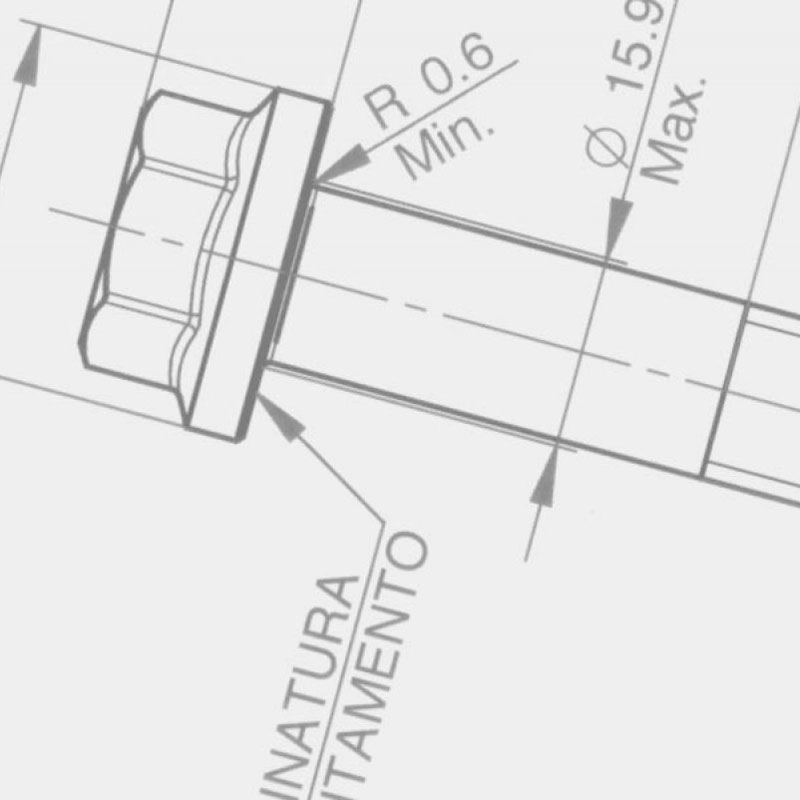
Does EFS Support the Review of Technical Drawings?
Yes. EFS analyses the documentation provided by the customer and identifies the most suitable production solution according to the characteristics of the component and its application context.