

Structural Bolts UNI EN 15048 and UNI EN 14399

Structural bolting assemblies are used to create connections for steel structures, industrial buildings, bridges, infrastructure and civil engineering works where joint behaviour is a fundamental element of structural safety.
Unlike traditional mechanical fasteners, these systems are governed by specific standards that define dimensional characteristics, mechanical properties, markings and methods of use.
The main European reference standards are UNI EN 15048, relating to non-preloaded structural bolting assemblies, and UNI EN 14399, dedicated to high-strength structural bolting assemblies suitable for preloading.
EFS can support supplies of standard and special structural bolting assemblies for industrial and infrastructure applications, coordinating materials, surface treatments and technical documentation according to the required specifications. This approach is consistent with the EFS operating model based on European production, material traceability and supply certifications.

Characteristics of Structural Bolting Assemblies
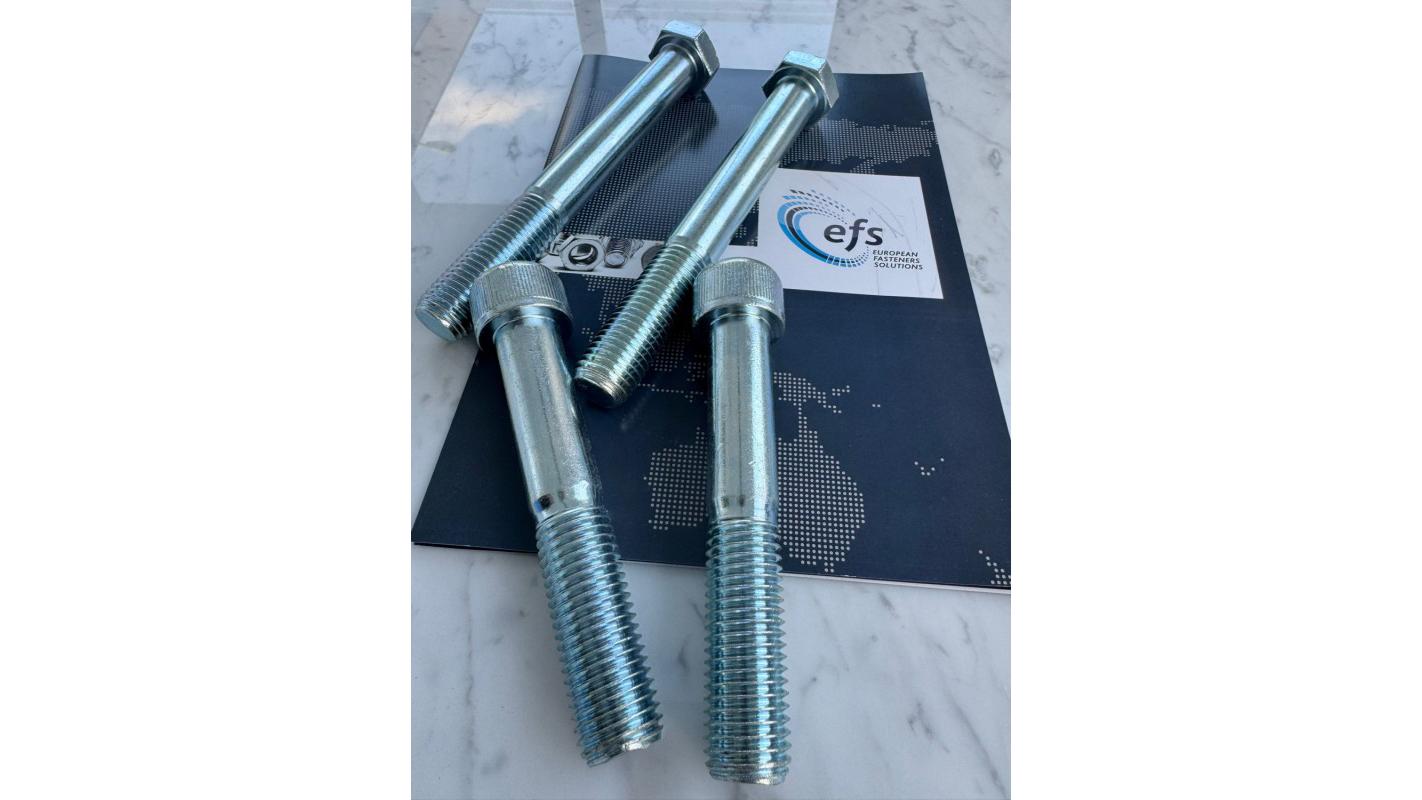
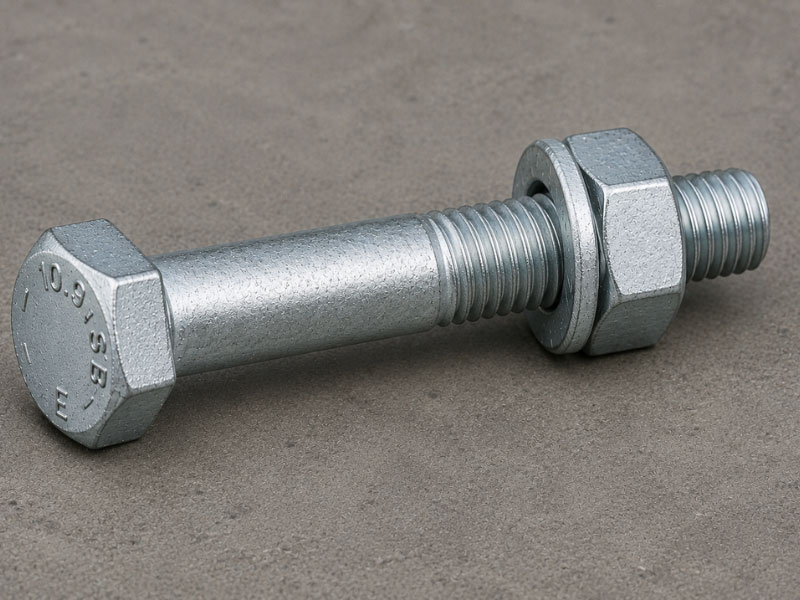
Structural bolting assemblies consist of complete assemblies generally composed of:
- bolt
- nut
- washers required by the standard
The entire system is designed and qualified to work as an assembly, not as a simple combination of individual components.
The most common property classes are 8.8 and 10.9, while the choice between preloaded and non-preloaded connections depends on the characteristics of the structural project.
Difference Between UNI EN 15048 and UNI EN 14399
UNI EN 15048
UNI EN 15048 concerns structural bolting assemblies not intended for preloading.
These systems are normally used when the connection mainly works in shear and does not require control of the tightening force.
They are identified by the SB marking, Structural Bolting, required by the standard.
UNI EN 14399
UNI EN 14399, on the other hand, regulates high-strength structural bolting assemblies designed to be installed with controlled preload.
These systems are used in structures subject to:
- dynamic loads
- vibrations
- bridges
- infrastructure
- high-performance steel structures
Correct installation requires specific tightening procedures and components compliant with the complete system defined by the standard.
Industrial Applications of Structural Bolting Assemblies
Structural bolting assemblies are used in many fields, including:
- steel construction
- industrial buildings
- bridges
- civil infrastructure
- energy plants
- support structures
- railway works
For applications exposed to weathering, hot-dip galvanizing is frequently required, a solution used to increase the durability of the connection in outdoor installations.
To explore this topic in more detail, please refer to the page dedicated to hot-dip galvanized fasteners for railway infrastructure, where the requirements of supplies intended for railway infrastructure are analyzed.
ISO, UNI and EN Standards
The main reference standards are:
- UNI EN 15048 — Non-preloaded structural bolting assemblies
- UNI EN 14399 — High-strength structural bolting assemblies for preloading
- ISO 898-1 — Mechanical properties of steel screws and bolts
- ISO 898-2 — Mechanical properties of nuts
Available Types
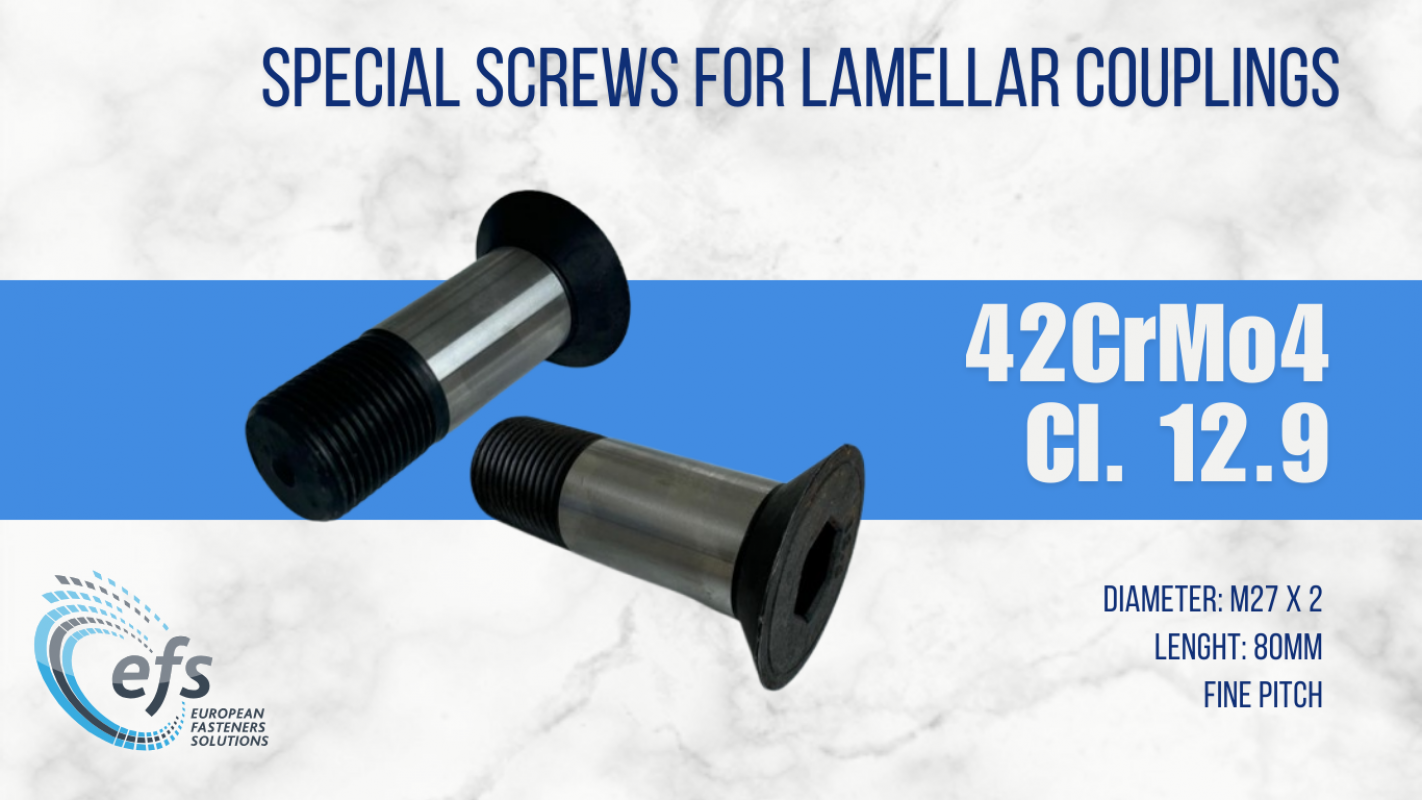
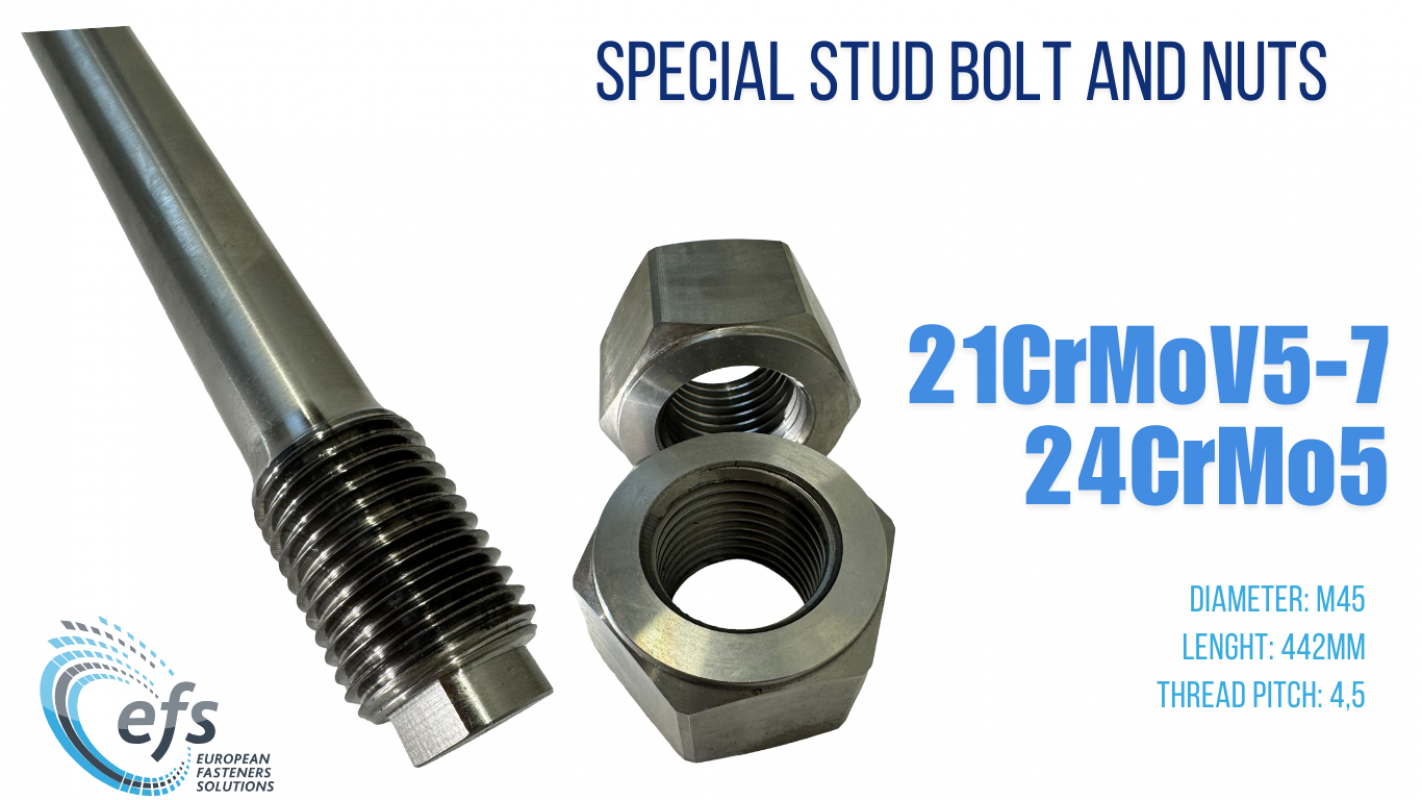
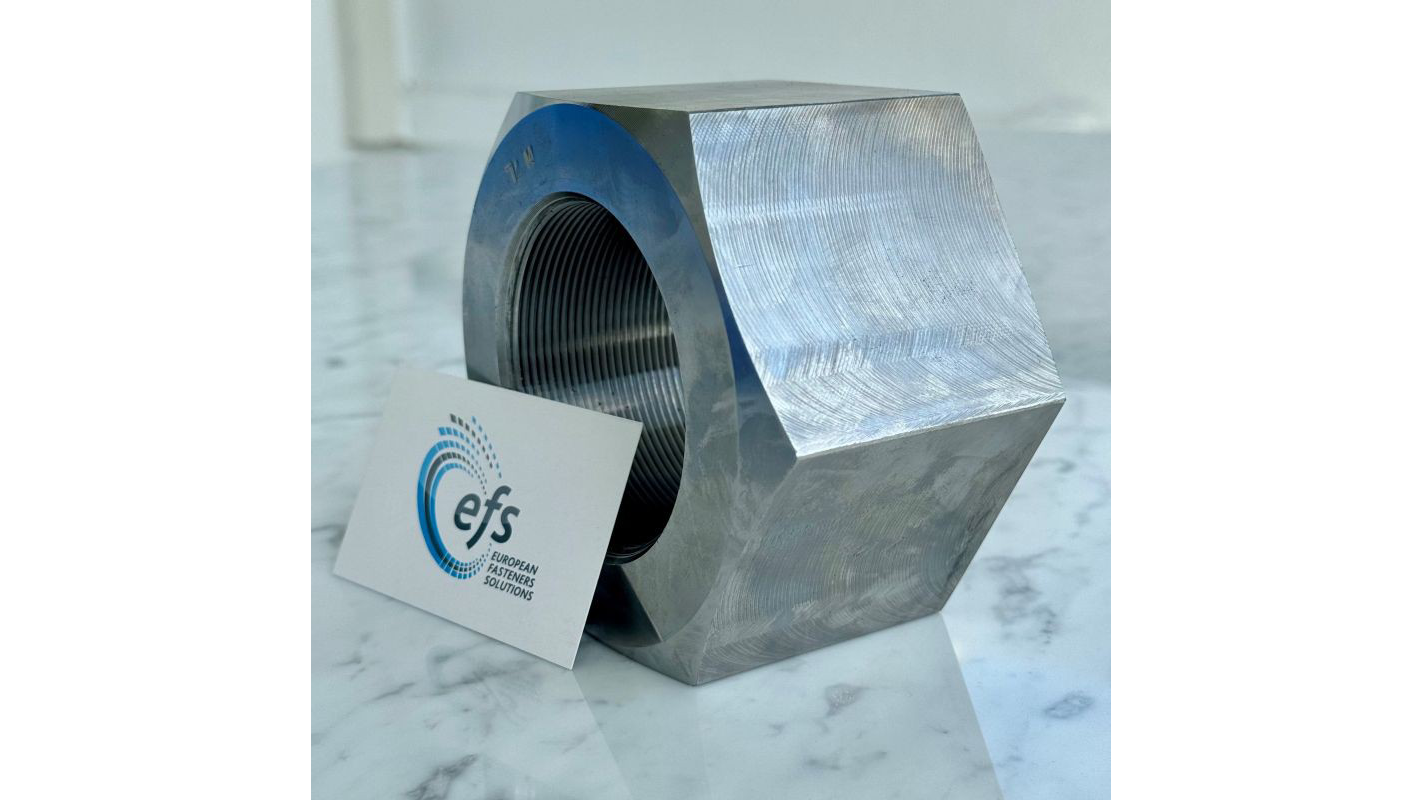
EFS can manage the supply of complete structural bolting assemblies, structural bolts, nuts and washers, and complete assemblies according to the applicable standard. Special made-to-drawing components can also be supplied when required by the project.
Available Materials
Depending on the application specifications, the following can be supplied:
- carbon steels
- property class 8.8
- property class 10.9
- alloy steels
- stainless steel
- special materials for industrial applications on request
Surface Treatments
The most commonly requested treatments include:
- hot-dip galvanizing (HDG).
- electrolytic zinc plating
- Geomet®
- zinc-flake coating
- other coatings specified by the project requirements
EFS Capabilities
EFS coordinates supplies of structural bolting assemblies through a network of qualified Italian and European manufacturers.
On request, the following can be managed:
- EN 10204 3.1 certificates
- raw material traceability
- certified surface treatments
- special made-to-drawing production
- components intended for infrastructure, steel construction and industrial applications, according to the usual quality control and supply chain management model adopted by EFS
FAQ
What Is the Difference Between UNI EN 15048 and UNI EN 14399?
UNI EN 15048 concerns non-preloaded structural assemblies, while UNI EN 14399 regulates high-strength assemblies designed for tightening with controlled preload.
Can Structural Bolting Assemblies Be Hot-Dip Galvanized?
Yes. Hot-dip galvanizing is one of the most commonly used treatments for outdoor applications and infrastructure, where high corrosion protection is required.
Does EFS Also Manufacture Special Structural Bolting Assemblies?
Yes. In addition to components compliant with the reference standards, EFS can coordinate the production of special made-to-drawing structural fasteners, with the materials, surface treatments and certifications required by the project.